How to Use AI Tools for Job Hunting: Resume, Cover Letters, and Interview Prep
 By
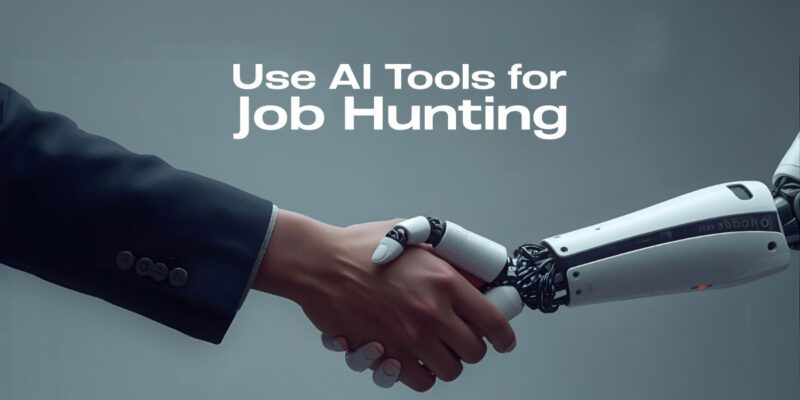
By Job hunting is one of the highest-stakes activities most people do. Getting it right — resume, cover letter, interview — genuinely matters. AI tools have become genuinely useful here, not as shortcuts that undermine your application, but as tools that help you present yourself more effectively. Here’s how to use them properly.
Resume Optimization: Match the Job Description
Most resumes fail at the ATS (Applicant Tracking System) stage before a human ever sees them. Paste the job description and your current resume into Claude or ChatGPT and ask: ‘Which keywords and requirements from this job description are absent from my resume? How should I adjust my bullet points to better reflect the skills they’re looking for?’ This ATS optimization step alone significantly improves callback rates.
Rewriting Bullet Points for Impact
Most resume bullet points describe what you did rather than the impact you had. Paste your current bullets and ask: ‘Rewrite these to lead with measurable impact and use strong action verbs. Where I haven’t provided metrics, flag that and suggest what type of number would strengthen the point.’ This is one of the most valuable resume improvements AI can make.
Cover Letter That Doesn’t Sound Generic
Give the AI the job description, your resume, and specific context: ‘I’m applying to a mid-size fintech company. I’m currently at a large bank and want to explain my motivation for moving to a startup environment. I’m particularly excited about their specific product area.’ With this context, AI produces a cover letter with genuine specificity rather than a template.
Interview Question Preparation
Paste the job description and ask: ‘Generate the 15 most likely interview questions for this role, including behavioral questions and technical questions specific to this type of position. For each question, suggest a STAR-format answer structure based on my background.’ Then practice your answers and use AI to critique them.
Mock Interview Practice
Set up an AI to conduct a mock interview: ‘Act as a hiring manager for this role and interview me. Ask challenging follow-up questions. After each of my answers, give me brief feedback on clarity, specificity, and impact before asking the next question.’ This kind of practice, previously only available through expensive career coaches, is now free and available anytime.
Research the Company Before Your Interview
Ask Perplexity or ChatGPT with web search: ‘What are the key recent developments at [Company], who their main competitors are, what challenges their industry faces, and what questions I should ask at the end of my interview to demonstrate genuine knowledge of their business.’ Coming into an interview with this preparation stands out immediately.
The Ethics Line
Using AI to communicate your genuine experience more clearly is smart. Fabricating experience or skills you don’t have is fraud. AI helps you present what you actually have more effectively — it doesn’t (and shouldn’t) invent a professional history you don’t have. Everything on your resume should be truthful; AI just helps you express it better.
Views: 31

You may also like
How to Use Your Phone to Build Better Habits That Actually Stick

How to Use Your Phone to Help You Through a Difficult Life Transition

How to Use Your Phone for Better, More Meaningful Travel Experiences
More in:Apps

How to Use Your Phone to Manage Your Mental Load and Stop Forgetting Things

How to Use Your Phone to Reduce Your Environmental Impact

How to Use Your Phone to Make Better Decisions

TecRounder is a blog that shares New Technology news from around the world (hence the name TecRounder), including the most recent mobile and gadget information: smartphone features, specifications, and more. You can find the latest technology updates here, including the most recent information on smartphones, laptop computers, and other electronic devices.