
 By
By Personal trainers cost money. Generic workout apps give everyone the same program. AI tools can do something in between — build you a genuinely personalized workout plan based on your specific goals, equipment, time, and fitness level, and answer your questions in real time. Here’s how to use them well.
Build a Workout Plan Based on Your Actual Situation
Give AI the specifics: ‘I want to build muscle and lose fat. I can train four times a week, 45 minutes per session. I train at home with a set of dumbbells and resistance bands. I’m intermediate level — been training inconsistently for two years. I have a history of lower back problems. Build me a four-week program.’ The level of specificity you provide directly determines the usefulness of the output.
Ask for the Why Behind Each Exercise
Rather than just following a program, ask AI to explain the purpose of each exercise: ‘Why is the Romanian deadlift in this program? What does it target and why is it better here than a leg press?’ Understanding the function of each movement helps you make smart substitutions when you don’t have the right equipment and builds training knowledge over time.
Use AI to Fix Form Problems
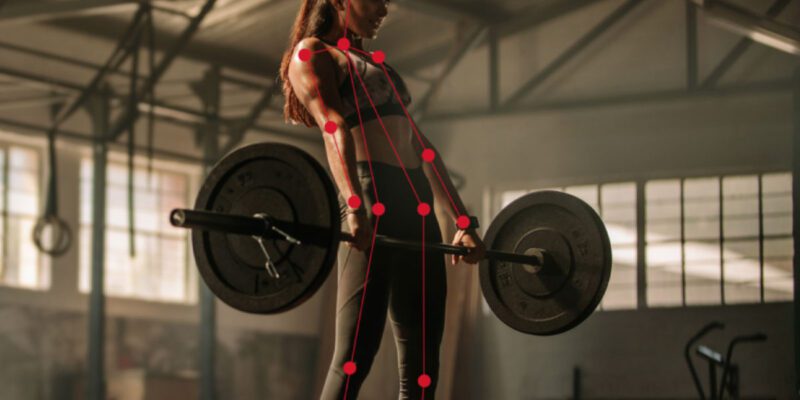
Describe an exercise you struggle with and ask for detailed form guidance: ‘My lower back always rounds when I do Romanian deadlifts. Walk me through the exact setup and movement cues that prevent this.’ For complex movement patterns, AI can provide surprisingly detailed and accurate technique guidance. Supplement with video for movements you need to see demonstrated.
Progressive Overload Planning
Progressive overload — gradually increasing the challenge over time — is the fundamental principle of training improvement. Ask AI to build a four to eight week progressive overload plan: ‘Show me how to progress these exercises week by week so I’m always moving forward without overtraining. Build in a deload week.’ This structured progression is what separates programs that produce results from ones that stall.
Nutrition Guidance for Your Goals
Describe your fitness goal and dietary situation and ask: ‘What should my rough daily protein, calorie, and macronutrient targets be for muscle building at my stats?’ Then ask for practical food sources to hit those targets given your preferences and budget. AI nutrition guidance is useful for understanding principles and targets — not a substitute for medical dietary advice for specific health conditions.
Troubleshoot Plateaus
‘I’ve been on the same program for three months and stopped seeing progress. Here’s what I’m currently doing: [list program]. What might be causing the plateau and what specific changes would you recommend?’ AI can analyze what’s likely going wrong — insufficient progressive overload, overtraining, inadequate recovery, nutritional gaps — and suggest targeted interventions.
Stay Honest With Your AI Assistant
AI gives you back what you put in. If you describe your current fitness level as more advanced than it is, the program will be too hard. If you say you can train six days a week when realistically you’ll do three, the program won’t match your life. Be completely honest about your schedule, equipment, level, and limitations. The best program is the one you’ll actually do consistently.
Views: 22

You may also like

How to Teach Your Children About Phone Safety Without Them Tuning You Out

How to Use Your Phone to Stay Safe When You’re Travelling Alone

How to Use Your Phone to Track and Improve Your Posture
More in:Apps

How to Use Your Phone to Find a Therapist or Mental Health Support

How to Keep Kids Safe Online When They’re Using Your Phone

The Best Free Apps That Replace Paid Subscriptions You’re Probably Wasting Money On

TecRounder is a blog that shares New Technology news from around the world (hence the name TecRounder), including the most recent mobile and gadget information: smartphone features, specifications, and more. You can find the latest technology updates here, including the most recent information on smartphones, laptop computers, and other electronic devices.