 By
By Phone scams in 2026 are dramatically more sophisticated than the obvious “Nigerian prince” emails of earlier years. Scammers now use AI voice cloning, spoofed phone numbers that look like your bank or a government agency, and psychological techniques refined by studying thousands of victims. Understanding how they work is genuinely the best defense.
The “Your Account Has Been Compromised” Scam
You receive a call — or sometimes a text with a callback number — claiming to be from your bank, Amazon, Apple, or another service you use. They say suspicious activity has been detected on your account and urgent action is required.
The key feature of this scam: urgency and fear. They want you to act immediately before you can think it through. They may ask you to confirm your password, provide a verification code, transfer money to a “secure” account, or install remote access software to “help you fix it.”
Your real bank will never call asking you to move money to a “safe account.” They will never ask you to read them a security code you received by text. They will never install software on your device. If you have any doubt, hang up, find the number on the back of your card or on their official website, and call that number.
AI Voice Cloning: The Family Emergency Scam Updated
The family emergency scam now uses cloned voices. A few seconds of audio from a family member’s social media is enough to create a convincing imitation. You receive a call that sounds like your child’s voice saying they’re in trouble — they’ve been in an accident, arrested, or lost their wallet abroad. They need money immediately.
If you receive such a call, hang up immediately and call your family member back directly on the number you have stored for them. If they don’t answer, call another family member to verify. The cloned voice is very convincing, but the one thing it can’t do is answer a call from your family member’s own phone.
The “HMRC/IRS Tax Debt” Scam
You receive a call claiming to be from the tax authority (HMRC in the UK, IRS in the US) saying you owe money and will be arrested if you don’t pay immediately. They want payment in gift cards, wire transfer, or cryptocurrency.
Real tax authorities do not call demanding immediate payment. They send official correspondence by post first. They do not demand payment in gift cards. If you receive this call, it is always a scam.
The Investment Scam
You’re approached through social media, dating apps, or WhatsApp by someone who builds rapport over days or weeks before mentioning a lucrative investment opportunity — usually cryptocurrency. They show you screenshots of returns. They may direct you to a convincing fake platform.
You invest, see paper profits on the fake platform, are encouraged to invest more, then find you can’t withdraw money. If you try, you’re told you need to pay fees first (which are another scam layer).
Any investment opportunity presented through unsolicited social media contact, with guaranteed returns, and involving cryptocurrency or foreign exchange is a scam.
How to Protect Yourself
Create a family codeword for emergency situations. Agree on a word that only your immediate family knows. If you receive an emergency call and they can’t provide the word, you know it’s not really them.
Never give money or personal information based on an inbound call. If someone contacts you, hang up and call them back on a number you find independently.
Treat urgency as a red flag. Legitimate businesses and agencies don’t require decisions in the next five minutes. Any pressure to act immediately before you can verify anything is a manipulation technique.
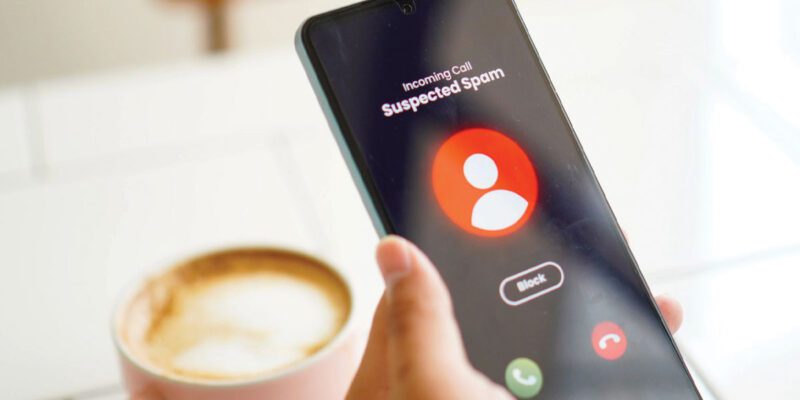
Use your carrier’s spam call blocking. Enable call screening (Google Phone’s call screen feature is excellent for this). Let unknown callers go to voicemail — if it’s important, they’ll leave a message.
Register with the Telephone Preference Service (UK) or Do Not Call Registry (US). This doesn’t stop illegal scammers, but it reduces the overall volume of calls and makes the suspicious ones stand out more.
Views: 23

You may also like

How to Use Your Phone Camera to Spot Things You’d Otherwise Miss
How to Use Your Phone to Build Better Habits That Actually Stick

How to Use Your Phone to Help You Through a Difficult Life Transition
More in:Gadgets

How to Use Your Phone to Manage Your Mental Load and Stop Forgetting Things

How to Use Your Phone to Reduce Your Environmental Impact

How to Use Your Phone to Make Better Decisions

TecRounder is a blog that shares New Technology news from around the world (hence the name TecRounder), including the most recent mobile and gadget information: smartphone features, specifications, and more. You can find the latest technology updates here, including the most recent information on smartphones, laptop computers, and other electronic devices.