How to Use Your Phone to Document and Share Your Creative Work
 By
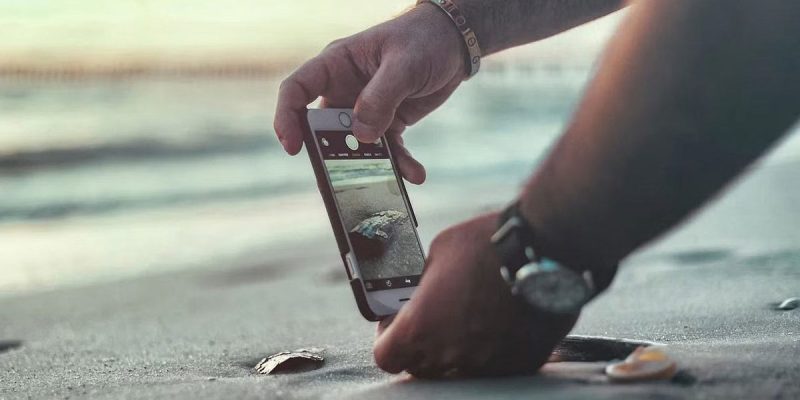
Creative work deserves to be seen, and the barrier to sharing it has never been lower. Your phone can photograph, record, and publish work that previously required professional equipment or significant technical knowledge. The key is knowing what to do differently from casual photo-taking to get results that genuinely represent your work.
Photographing Visual Art and Crafts
The fundamental challenge in photographing flat artwork (paintings, drawings, prints) is avoiding glare and capturing accurate colour. Both problems have the same solution: consistent, diffuse lighting without direct sunlight or direct artificial light sources hitting the surface.
The best setup: outdoors in open shade (not direct sunlight, which creates glare and colour shifts) on an overcast day. The diffuse sky light provides even, neutral-coloured illumination with minimal glare. Hold the camera square to the artwork (parallel, not at an angle) to avoid perspective distortion.
Indoors: two daylight-balanced LED lights (5000K-6500K colour temperature) positioned at 45 degrees to either side of the artwork at roughly the same height eliminate shadows and minimise glare. This is the setup professional photographers use.
Colour Accuracy
Your phone’s auto white balance adjusts for the dominant light colour, which usually means artwork colours shift slightly from reality. For accurate colour, use a grey card (a neutral grey reference) photographed in the same light and edit with it as the reference point in Lightroom Mobile.
Alternatively: photograph your work next to a known neutral white (white paper or a white card) and check in editing that this reference is genuinely neutral (equal RGB values). If it isn’t, adjust white balance until it is.
Three-Dimensional Objects
Sculptures, ceramics, jewellery, and crafted objects need light that reveals their form. A single light source from one side creates shadows that show depth and texture. Too much diffuse light flattens three-dimensional form and makes objects look less substantial.
For jewellery and small objects: lightboxes (collapsible fabric boxes with built-in LED lighting) produce consistent, professional results for $30-50 and are purpose-built for small object photography.
Documenting Process
Showing the process — how something is made — is often as compelling as the finished work and builds genuine connection with an audience. Photograph work in progress at key stages. For longer projects, a time-lapse (available in your phone’s camera app) documents hours of work in a few seconds.
Process documentation doesn’t need to be polished — it can be messier and more casual than finished-work photography. The authenticity is part of what makes it compelling.
Recording Music and Audio Work
For recording musical instruments or singing, see the dedicated article on this topic. For podcasts, interviews, and spoken word: your phone’s built-in microphone in a quiet room with soft furnishings produces usable quality for most purposes. An inexpensive external microphone significantly improves the result.
Platforms for Sharing
Instagram is still the primary platform for visual creative work — the square and vertical formats are well-suited to artwork and crafts. Pinterest drives significant discovery for craft and visual content. TikTok and YouTube Shorts for process videos and time-lapses.
For selling: Etsy, Not On The High Street (UK), and similar platforms have built-in audiences for handmade goods. Instagram Shopping integrates with Etsy or your own shop.
The Consistency That Builds an Audience
An audience builds through consistent, recognisable posting over time rather than sporadic bursts. Whatever your creative work, decide on a posting frequency you can maintain sustainably — once a week is better than three times one week and nothing the next. Your audience grows in direct proportion to your consistency.
Views: 0

You may also like

How to Use Your Phone to Prepare for a Job Interview

How to Use Your Phone to Manage Your Pet’s Health Records and Vet Visits
How to Use Your Phone to Learn Basic First Aid You Might Actually Need
More in:Gadgets
How to Use Your Phone to Create a Morning Routine That Actually Works

How to Handle Phone Anxiety and the Constant Pressure to Be Available
How to Use Your Phone to Plan and Track Your Garden or Allotment

TecRounder is a blog that shares New Technology news from around the world (hence the name TecRounder), including the most recent mobile and gadget information: smartphone features, specifications, and more. You can find the latest technology updates here, including the most recent information on smartphones, laptop computers, and other electronic devices.