How to Use Your Phone to Learn About Nutrition Without Getting Confused
 By
Nutrition is simultaneously one of the most studied and most confused subjects in modern health. For every study showing one thing, another shows the opposite. For every nutritionist recommending one approach, another recommends the opposite. Your phone gives you access to all of this information — which is why having a framework for evaluating it is more important than any specific app.
The Misinformation Problem
Instagram, TikTok, and YouTube are full of confident nutritional claims that range from evidence-based to actively harmful. The visual medium rewards confident, dramatic claims (“this one food destroys your metabolism”) over accurate, nuanced information (“the relationship between dietary fat and cardiovascular risk is complex and depends on fat type, overall dietary pattern, and individual factors”). The former is shareable. The latter is true.
Build the habit of asking: where is this claim coming from? Peer-reviewed research published in credible journals carries significantly more weight than personal testimonials, celebrity endorsements, or influencer content. Correlation in observational studies is not causation. One study is rarely conclusive. Meta-analyses and systematic reviews are more reliable than individual studies.
Reliable Sources on Your Phone
The NHS website (nhs.uk) in the UK provides evidence-based nutritional guidance that’s reviewed regularly. For US readers, the Dietary Guidelines for Americans (dietaryguidelines.gov) are the government’s evidence-based framework.
Examine.com is exceptional for supplement research specifically — every claim is tracked to the actual underlying research with an honest assessment of evidence quality. If you’re considering a supplement, check Examine first.
The podcast “Huberman Lab” covers nutrition science from a neuroscience professor’s perspective with careful citation of research. Not perfect, but better than most popular nutrition content.
Calorie and Nutrient Tracking: When It Helps and When It Doesn’t
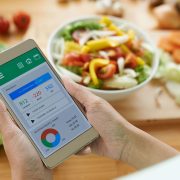
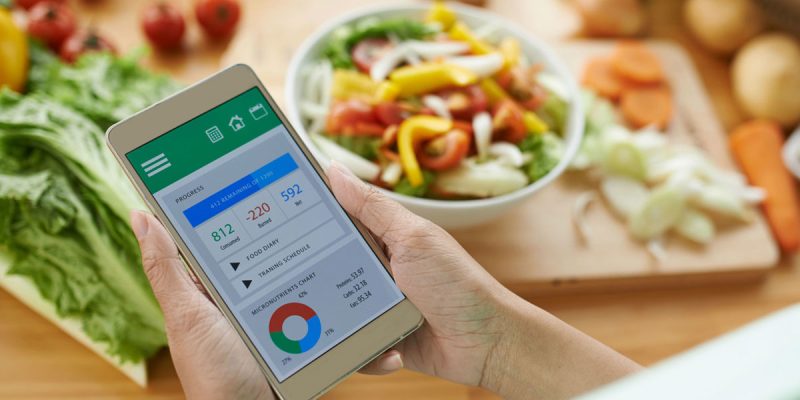
MyFitnessPal and Cronometer (more detailed) let you log food and see macronutrient and micronutrient breakdowns. This is genuinely useful for:
Short-term awareness: a two-week logging period reveals patterns most people are unaware of — where calories actually come from, which nutrients are consistently low, how much protein they’re actually eating versus what they think.
Specific therapeutic goals where precise tracking is medically relevant.
It’s less useful and potentially harmful for:
People with any history of disordered eating — calorie tracking can be a trigger. Long-term use as a primary food decision method — this tends to create anxiety and poor relationship with food. Anyone for whom counting creates more stress than the information provides value.
The Simpler Framework Most Experts Agree On
Despite the noise, there’s remarkable consensus among nutrition researchers on the fundamentals: eat predominantly whole foods (vegetables, fruits, legumes, whole grains, fish, lean proteins), minimise ultra-processed foods (the ones with long lists of additives), eat a wide variety, stay within an appropriate calorie range for your size and activity, and don’t drink your calories in sweet beverages.
These fundamentals have strong evidence and are undisputed by any credible nutrition researcher. Everything beyond this — specific supplements, optimal meal timing, elimination of specific food groups — is where the uncertainty and disagreement live.
Cooking and Recipe Apps
BBC Good Food, Yummly, and Mealime all provide recipes with nutritional information. For people who want to eat well but struggle with what to actually cook, recipe apps are more practically impactful than nutritional tracking apps — they solve the “what should I make that’s healthy” problem rather than just recording what you ate.
Views: 0

You may also like

How to Use Your Phone to Document and Share Your Creative Work

How to Use Your Phone to Prepare for a Job Interview

How to Use Your Phone to Manage Your Pet’s Health Records and Vet Visits
More in:Gadgets
How to Use Your Phone to Learn Basic First Aid You Might Actually Need
How to Use Your Phone to Create a Morning Routine That Actually Works

How to Handle Phone Anxiety and the Constant Pressure to Be Available

TecRounder is a blog that shares New Technology news from around the world (hence the name TecRounder), including the most recent mobile and gadget information: smartphone features, specifications, and more. You can find the latest technology updates here, including the most recent information on smartphones, laptop computers, and other electronic devices.