 By
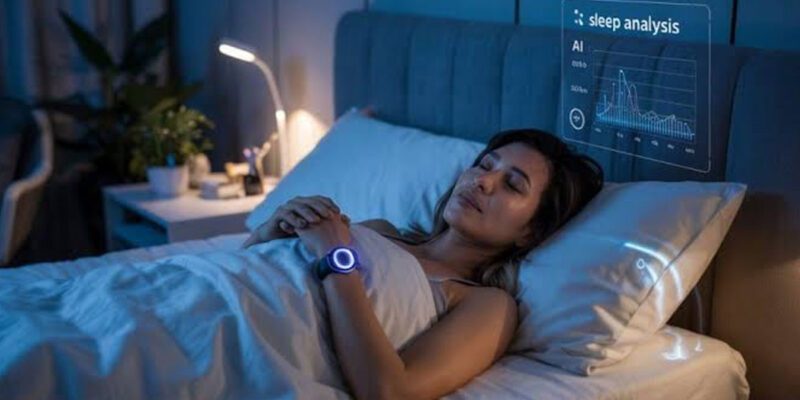
By Sleep is one of the highest-leverage health behaviors — affecting everything from cognitive performance and mood to physical health and longevity. Most people know their sleep is imperfect but don’t have a systematic way to improve it. AI tools can help you understand your patterns, test interventions, and build the habits that produce consistently better rest.
Identify Your Specific Sleep Problems With AI
Describe your sleep situation in detail to an AI: ‘I fall asleep easily but wake up at 3am and can’t get back to sleep. This happens 4-5 nights a week. I don’t feel stressed at bedtime. I have one coffee in the morning and no caffeine after noon.’ With this kind of context, AI can help identify likely causes — early morning waking with this profile often relates to sleep pressure, alcohol metabolism, or underlying anxiety — and suggest specific interventions to test.
Build a Personalized Sleep Protocol
Ask AI to help you design a sleep protocol based on current sleep science and your specific situation. What time should you be going to bed given your natural wake time? What does good sleep hygiene actually require versus which common advice is overrated? What’s the evidence for specific interventions like melatonin, magnesium, or sleep restriction therapy? AI can give you a research-informed starting point tailored to your constraints.
Use AI to Process Pre-Bed Mental Activity
Lying awake with a racing mind is one of the most common sleep problems. Try ‘brain dumping’ everything on your mind into an AI conversation before bed — worries, things you need to remember, unresolved problems. Then ask the AI to help you categorize what can be acted on tomorrow and what needs no action. Getting concerns out of your head and ‘handled’ reduces the mental load that keeps you awake.
Create Personalized Wind-Down Content
Ask AI to generate a personalized relaxation script you can read or have read to you before sleep, calibrated to your specific anxieties or mental patterns. Or ask for a short piece of calming fiction in a genre and tone you find relaxing. Many people find AI-generated personalized content more effective than generic sleep meditations because it addresses their actual mental state.
Track Experiments Systematically
The most effective way to improve sleep is to test one change at a time and observe results over a week. Use AI to help you design simple sleep experiments: ‘I’m going to test whether keeping a consistent wake time on weekends improves my sleep quality during the week. Help me design a simple way to track this over four weeks.’ Systematic testing beats random changes that you can’t attribute outcomes to.
Limit Late-Night AI Use
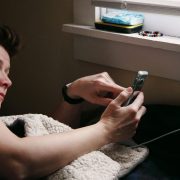
This advice might seem to contradict using AI to help sleep — but scrolling through AI conversations, social media, or any screen stimulates the brain in ways that delay sleep onset. The pre-bed brain dump mentioned above should be time-limited. Keep devices out of the bedroom if possible. The phone is for before-bed preparation, not for in-bed scrolling while trying to fall asleep.
When to See a Doctor
AI can help optimize lifestyle factors around sleep but cannot diagnose or treat medical conditions. Chronic insomnia, suspected sleep apnea (characterized by snoring, waking with headaches, or excessive daytime tiredness), and sleep disorders require professional evaluation. AI is a useful complement to medical care, not a replacement for it in clinical cases.
Views: 31

You may also like
How to Use Your Phone Camera to Spot Things You’d Otherwise Miss
How to Use Your Phone to Build Better Habits That Actually Stick
How to Use Your Phone to Help You Through a Difficult Life Transition
More in:Apps

How to Use Your Phone to Manage Your Mental Load and Stop Forgetting Things

How to Use Your Phone to Reduce Your Environmental Impact
How to Use Your Phone to Make Better Decisions

TecRounder is a blog that shares New Technology news from around the world (hence the name TecRounder), including the most recent mobile and gadget information: smartphone features, specifications, and more. You can find the latest technology updates here, including the most recent information on smartphones, laptop computers, and other electronic devices.