 By
By Working from home means your phone can be either a significant productivity tool or a significant distraction — often both. Here’s how to configure your Android to be more of the former and less of the latter, plus which tools and setups make remote work genuinely easier.
Separate Work and Personal Profiles
Android’s Work Profile feature creates a completely separate profile for work apps with its own data, notifications, and settings. Apps in the work profile (Google Workspace, Slack, Teams, company email) are isolated from personal apps. Crucially, you can turn the work profile on and off — toggling off at the end of the day stops all work notifications until you turn it on again. This is the most effective work-life separation available on Android.
Use Focus Mode During Deep Work Sessions
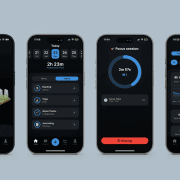
Settings > Digital Wellbeing > Focus Mode. Create a work focus preset that blocks social apps, news, and entertainment but allows communication and productivity apps. Set it on a schedule during your planned deep work hours. During focus mode, the blocked apps are inaccessible — not just silenced — which prevents the reflexive checking habit that interrupts extended concentration.
Set Up Android as a Second Screen
Apps like Spacedesk and Duet Display allow you to use your Android phone as an additional monitor for your computer. On smaller desks or when traveling, having your phone display your calendar, chat app, or reference document while your main monitor handles primary work can reduce window-switching overhead. Particularly useful on Samsung phones with DeX mode.
Optimize Your Communication Notifications
Batch communication by configuring notification schedules. Set Slack, Teams, and email to deliver notifications in batches at specific times (many of these apps have this feature) rather than instantly. Instant notifications create an always-on availability expectation and interrupt deep work. Checking communications three to four times a day on a schedule is both more productive and more manageable.
Use Your Phone’s Hotspot as a Reliable Backup
Configure your phone’s mobile hotspot before you need it (Settings > Connections > Mobile Hotspot and Tethering). Give it a memorable name and password. When your home broadband drops during a video call, you can switch to phone hotspot in under 30 seconds. Having this configured in advance rather than scrambling to set it up mid-call is a small preparation that prevents embarrassing interruptions.
Document and Sign Documents From Your Phone
Adobe Acrobat, DocuSign, and Google Drive all allow document scanning, annotation, and signing from Android. For remote workers who regularly need to handle paperwork, the combination of your phone’s camera and these apps replaces a scanner and printer for most document tasks. Samsung’s Notes app also has a good PDF annotation feature for marking up documents.
End-of-Day Ritual: Turn Off the Work Profile
Establish a consistent end-of-day practice: at a specific time, toggle off the work profile, close work apps on your computer, and physically move away from your workspace. The act of turning off the work profile on your phone — seeing all the work app icons disappear from your launcher — serves as a tangible signal that the work day is over. This psychological boundary matters more when home and office are the same place.
Views: 38

You may also like
How to Use Your Phone Camera to Spot Things You’d Otherwise Miss
How to Use Your Phone to Build Better Habits That Actually Stick
How to Use Your Phone to Help You Through a Difficult Life Transition
More in:Apps

How to Use Your Phone to Manage Your Mental Load and Stop Forgetting Things

How to Use Your Phone to Reduce Your Environmental Impact
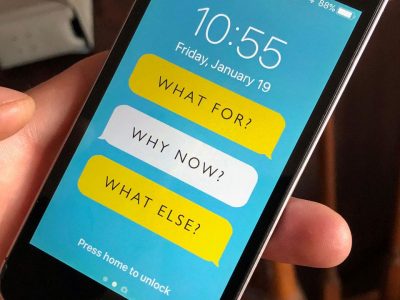
How to Use Your Phone to Make Better Decisions

TecRounder is a blog that shares New Technology news from around the world (hence the name TecRounder), including the most recent mobile and gadget information: smartphone features, specifications, and more. You can find the latest technology updates here, including the most recent information on smartphones, laptop computers, and other electronic devices.