
 By
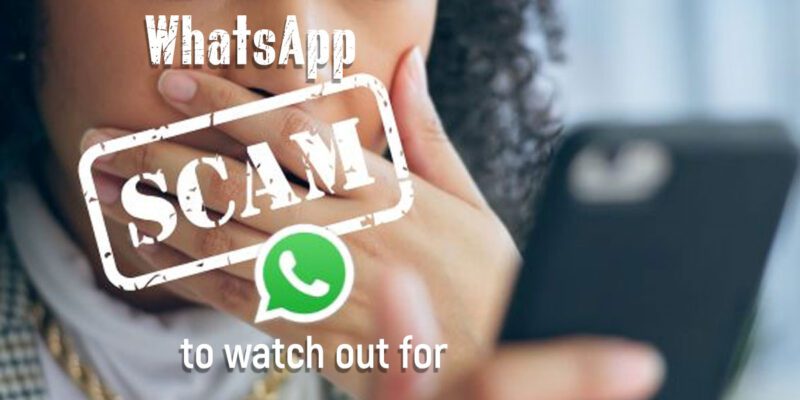
By WhatsApp has become one of the most popular platforms for scammers and fraudsters because of its massive user base, end-to-end encryption (which makes it harder for platforms to monitor), and the personal nature of messaging. Unlike email spam, a WhatsApp message feels immediate and personal — which is exactly why it works.
Here are the scams currently targeting users most aggressively, and how to recognize and avoid them.
The Family Emergency Scam (Hi Mum, Hi Dad)
You receive a message from an unknown number saying something like: Hi Mum, my phone is broken, this is my new number. It’s usually followed by an urgent request for money. The scammer hopes you’ll assume it’s your child or close family member without verifying. Always call the person on their known number before sending any money, no matter how urgent the message sounds.
WhatsApp Account Takeover via OTP
A contact (whose account has already been taken over) sends you a message asking for a 6-digit code you just received. They claim it was sent to you by mistake. That code is actually a WhatsApp login verification code for your own account. If you share it, the scammer registers your number on their device and locks you out. Never share SMS verification codes with anyone, ever.
Fake Job Offers
You receive an unsolicited WhatsApp message offering high pay for simple remote work — typically rating products, liking social media posts, or completing tasks on an app. These are either data harvesting operations or advance-fee scams where you eventually have to pay money to receive your earnings. Legitimate employers do not recruit via unsolicited WhatsApp messages.
Investment and Crypto Scams
A stranger (or sometimes a romance scam contact you’ve been talking to for weeks) eventually introduces you to a cryptocurrency investment opportunity with guaranteed returns. They may show you fake screenshots of profits. These are pig butchering scams — the scammer builds trust over time and then encourages you to invest increasingly large amounts before disappearing. No investment guarantees returns. Always research through official channels.
Fake WhatsApp Support Messages
A message claiming to be from WhatsApp Support warns that your account will be suspended unless you verify your information or click a link. WhatsApp does not contact users via chat messages. Any message claiming to be from WhatsApp Support is fake.
How to Protect Yourself
Enable two-step verification in Settings > Account > Two-Step Verification. Never share verification codes. Set Groups to My Contacts in Privacy settings so random people can’t add you to scam groups. If you receive a suspicious message from a known contact, call them on their regular number to verify. Report and block any suspicious account via the chat > Report option.
Views: 91

You may also like

How to Use Your Phone to Reduce Your Environmental Impact
How to Use Your Phone to Make Better Decisions

How to Use Your Phone to Manage Your Children’s Screen Time Without Constant Conflict
More in:Apps

How to Use Your Phone to Find a Therapist or Mental Health Support
How to Keep Kids Safe Online When They’re Using Your Phone

The Best Free Apps That Replace Paid Subscriptions You’re Probably Wasting Money On

TecRounder is a blog that shares New Technology news from around the world (hence the name TecRounder), including the most recent mobile and gadget information: smartphone features, specifications, and more. You can find the latest technology updates here, including the most recent information on smartphones, laptop computers, and other electronic devices.