How to Use Your Phone to Manage Your Health Without Becoming Obsessed With Data
 By
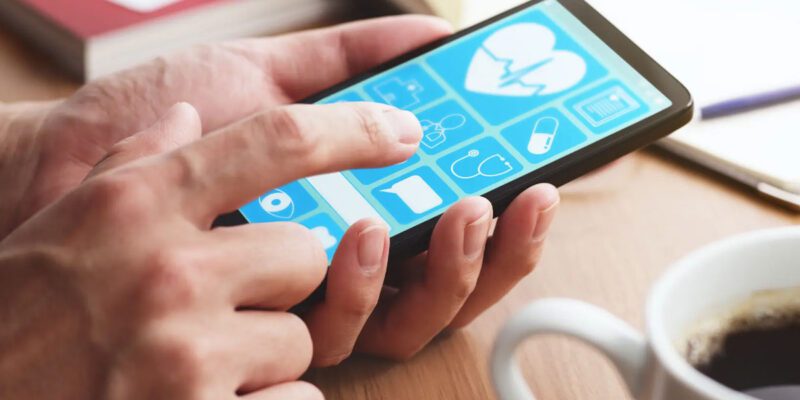
By Health tracking apps have a paradox at their centre: the data is supposed to help you feel better, but for many people, constantly monitoring metrics creates a new source of anxiety. They check their sleep score and feel stressed about a bad number. They see their step count fall short and feel guilty. They track their heart rate and convince themselves something is wrong.
The apps aren’t the problem. The relationship with the data is.
Here’s how to use phone health tracking in ways that actually improve your health rather than creating new things to worry about.
Start With One Thing
The biggest mistake people make with health apps is enabling every feature simultaneously. Sleep tracking, step counting, heart rate, calorie counting, hydration, stress levels — looking at all of this at once is overwhelming and the signal gets lost in the noise.
Pick the one health dimension that matters most to you right now. Sleep quality. Daily movement. Hydration. Stress patterns. Track that one thing for a month before adding anything else.
What’s Actually Worth Tracking
Steps and movement: genuinely useful because it’s a proxy for overall activity level that correlates well with long-term health outcomes. The 10,000 steps goal is somewhat arbitrary, but the habit of moving consistently matters. The data tells you whether you’re broadly active or sedentary — you don’t need to optimise for the exact number.
Sleep duration and consistency: not the detailed sleep stage breakdown (which phone-based tracking can’t measure accurately anyway), but whether you’re getting enough sleep and going to bed at consistent times. Consistent timing affects sleep quality more than most people realise.
Resting heart rate trend: not the day-to-day number, but whether it’s trending up or down over weeks. A gradually rising resting heart rate can indicate stress, illness coming on, or declining fitness. A decreasing trend usually indicates improving cardiovascular fitness.
Weight trend: weekly averages rather than daily measurements. Daily weight fluctuates by 1-2kg from water retention, meal timing, and other factors completely unrelated to fat. Weekly averages show actual trend.
What’s Usually Not Worth Tracking
Calorie counting: can be useful for short-term awareness but is highly inaccurate (app calorie databases vary by up to 30% for the same food) and becomes obsessive for many people. If you’re not trying to lose weight for a specific medical reason, most nutritional experts now recommend focusing on food quality rather than calorie numbers.
Detailed sleep stages: phone-based sleep stage tracking (REM vs deep vs light) is not clinically accurate. The overall patterns are useful; the specific breakdown is not reliable enough to optimise.
Heart rate variability: useful information if you have the right equipment and interpretation framework, but viewed without context through a consumer app, it’s mostly a source of confusion.
Using the Data Without Being Controlled by It
Look at weekly or monthly trends, not daily numbers. A single bad sleep score doesn’t mean anything. Three weeks of deteriorating sleep scores tells you something actionable.
Use data as a conversation starter with your doctor, not as a self-diagnosis tool. “I’ve noticed my resting heart rate has been elevated for three weeks” is useful information for a medical professional. “My app says I’m stressed” is not.
Take breaks from tracking. Many people find that stopping tracking for a month makes them realise that some of their “health monitoring” was actually health anxiety in disguise. A healthy relationship with tracking includes being able to step away from it without distress.
The Physical Activity Reminder That Actually Works
The most practically useful health feature on most phones is the movement reminder — the gentle notification that you’ve been sitting for too long and should take a short walk. This is research-backed, non-anxiety-inducing, and acts as a genuine health intervention for desk workers. If you only enable one health tracking feature on your phone, make it this one.
Views: 11

You may also like

How to Use Your Phone to Manage Your Time When You Work From Home
How to Use Your Phone Camera to Spot Things You’d Otherwise Miss
How to Use Your Phone to Build Better Habits That Actually Stick
More in:Apps
How to Use Your Phone to Help You Through a Difficult Life Transition
How to Use Your Phone to Manage Your Mental Load and Stop Forgetting Things

How to Use Your Phone to Reduce Your Environmental Impact

TecRounder is a blog that shares New Technology news from around the world (hence the name TecRounder), including the most recent mobile and gadget information: smartphone features, specifications, and more. You can find the latest technology updates here, including the most recent information on smartphones, laptop computers, and other electronic devices.