 By
Travel and smartphones have a complicated relationship. The phone enables extraordinary things — navigation in unfamiliar places, translation, finding hidden gems through local recommendations, staying connected with home. It also creates the risk of experiencing destinations through a screen, documenting every moment rather than being in any of them, and spending time in beautiful places scrolling through social media.
The difference is intention. Here’s how to use your phone to enhance rather than diminish the travel experience.
Before You Go: Research That Improves the Trip
The best use of your phone in the weeks before a trip is genuine research that informs how you spend your time once there. Not just “top ten things to do in X” lists — deeper research that connects you to the place.
Read local journalism from your destination (often available in English translation or via Google Translate). Understand the current political and social context. Read a novel set in the place, or biography of someone significant to its history. Follow a local food blogger, artisan, or cultural figure from the destination on Instagram before you go.
This depth of preparation changes the experience of being there. You notice things you’d miss otherwise. You have conversations that go beyond tourist script. The place has texture that surface-level research doesn’t provide.
Choosing What to Photograph
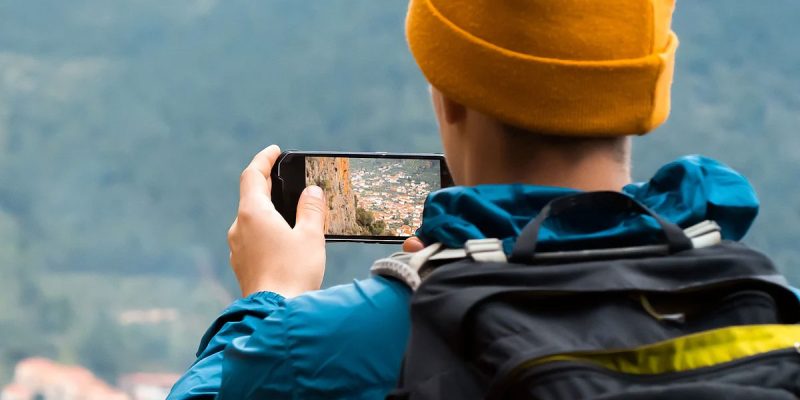
Photography and presence are not incompatible — the choice of what to photograph is a form of attention. But photographing everything reflexively is different from deliberately choosing to document specific moments.
Before reaching for your camera in a new place, spend the first few minutes just looking. Absorb the scene. Then decide what’s worth photographing and take it deliberately. This produces better photos and a richer experience than photographing every moment.
Leave the phone away for some experiences entirely. The concert, the sunset, the memorable meal — sometimes the right choice is to be fully in it rather than documenting it.
Navigation: Phone in the Service of Discovery
Use maps to get to a neighbourhood, then put the phone away and wander without a destination for an hour. The best travel discoveries rarely appear on “top things to do” lists — they happen through presence and openness to what you find.
Download offline maps before you go so navigation doesn’t require constant connectivity. But use it for orientation and getting back when needed, not for every step of every journey.
Local Recommendations Over Algorithm Recommendations
The most useful travel content often doesn’t appear in the top search results, which are dominated by established tourist businesses. Ask your accommodation host, someone at a local coffee shop, or a taxi driver for their actual personal recommendations. Their Instagram follows, the local Facebook group, Nextdoor for the area — these provide the kind of genuinely local information that doesn’t get indexed by search engines.
Staying Connected Without Missing the Trip
A consistent boundary worth setting: check messages and communicate with home at specific times (morning and evening) rather than continuously. Everything worth communicating can wait a few hours. The moments you’re half-present in your phone are moments you’re not present in the place you came to experience.
If you’re with travel companions, phone-free meal times is a meaningful agreement to make together. The conversations that happen without phones are consistently deeper than those that happen around them.
Views: 0

You may also like
How to Use Your Phone to Learn About Nutrition Without Getting Confused
How to Use Your Phone to Document and Share Your Creative Work

How to Use Your Phone to Prepare for a Job Interview
More in:Apps
How to Use Your Phone to Build Better Habits That Actually Stick

How to Use Your Phone to Help You Through a Difficult Life Transition

How to Use Your Phone to Manage Your Mental Load and Stop Forgetting Things

TecRounder is a blog that shares New Technology news from around the world (hence the name TecRounder), including the most recent mobile and gadget information: smartphone features, specifications, and more. You can find the latest technology updates here, including the most recent information on smartphones, laptop computers, and other electronic devices.