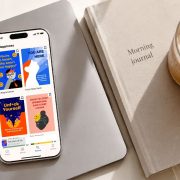
How to Use Your Phone to Become More Mindful Without a Meditation App

 By TecRounder
Every mindfulness article eventually tries to sell you a meditation app. This one won’t. Not because meditation apps are bad — some are genuinely useful — but because mindfulness is a quality of attention, not a product, and your phone can support it in ways that don’t require anything new to download or maintain.
The Problem Is the Solution
The same device that’s the primary source of distraction and fragmented attention in modern life is also a tool for the opposite, if used intentionally. The irony is real and the opportunity is genuine.
Mindfulness, practically speaking, is the capacity to be fully present with whatever is actually happening rather than lost in thoughts about the past, the future, or what you’re missing. The phone’s default mode pulls you away from this. But configured and used differently, it can support it.
Using the Phone as a Reminder
The simplest mindfulness use of your phone: set three or four random daily alarms (not on the hour, not at predictable times) labelled simply “Where are you right now?” When the alarm fires, before dismissing it, spend 30 seconds noticing your actual present experience: where your body is, what you can see and hear, what you’re feeling, what you’re thinking about.
This interrupts the automatic pilot that drives most of daily life and inserts brief moments of conscious noticing. Over time, this builds the habit of noticing — you start catching yourself lost in thought without a reminder.
The Phone-Put-Down Practice
A deliberate daily practice: at some point during the day, put your phone face-down in another room and spend 20 minutes doing something ordinary without any device. Eating breakfast, drinking coffee, taking a walk, sitting in the garden.
The act of noticing the impulse to reach for the phone — and choosing not to — is itself a mindfulness practice. The quality of attention during those 20 minutes changes when it’s not competing with the option to check something.
Single-Tasking With Your Phone
When you use your phone, use it for one thing. When you’re messaging someone, just message — don’t switch to social media mid-conversation. When you’re listening to a podcast, just listen — don’t also scroll something else. When you’re reading an article, read it without opening other tabs.
This is harder than it sounds because the phone’s interface actively encourages switching between tasks. Resisting it creates the experience of depth — actually finishing something, following a thought through, being present with one thing long enough to receive it fully.
Photography as Mindfulness
Using your phone camera deliberately — not to document everything, but to notice things worth photographing — is a form of present-moment attention. Looking for the interesting angle, the quality of light, the detail you’d normally walk past. This is why photography as a practice often produces a different quality of awareness than the same walk without the camera.
The discipline: take fewer, more deliberate photos rather than many reflexive ones. Notice what draws your attention. The question “is this worth photographing?” is itself a moment of presence.
The Gratitude Capture
A simple daily practice: once a day, write or photograph one thing you’re grateful for. One sentence in a note, one photograph in a specific album. Not an elaborate journaling exercise — one thing.
This redirects attention toward what’s present and positive rather than what’s absent or threatening, which is the default orientation of an attention system evolved for identifying problems. Three months of this creates a visible record and, for most people, a shift in the habitual direction of attention.
What This Isn’t
This isn’t the same as meditation, which involves sustained, formal attention training. These are habits and practices that support mindful qualities in everyday life without requiring a formal practice. If formal meditation interests you, apps like Waking Up or Headspace provide good introductions. But these informal practices have value whether or not you ever meditate formally.
Views: 18

You may also like

How to Use Your Phone to Learn About Nutrition Without Getting Confused

How to Use Your Phone to Document and Share Your Creative Work

How to Use Your Phone to Prepare for a Job Interview
More in:Gadgets

How to Use Your Phone to Manage Your Pet’s Health Records and Vet Visits
How to Use Your Phone to Learn Basic First Aid You Might Actually Need

How to Use Your Phone to Create a Morning Routine That Actually Works

TecRounder is a blog that shares New Technology news from around the world (hence the name TecRounder), including the most recent mobile and gadget information: smartphone features, specifications, and more. You can find the latest technology updates here, including the most recent information on smartphones, laptop computers, and other electronic devices.