How to Use Your Phone to Understand and Monitor Your Energy Bills
 By
By Energy bills have become one of the most significant household expenses for millions of families, and most people pay them without understanding what they’re actually paying for or whether there are meaningful ways to reduce the amount. Your phone gives you access to tools that can change this.
Smart Meters and Their Apps
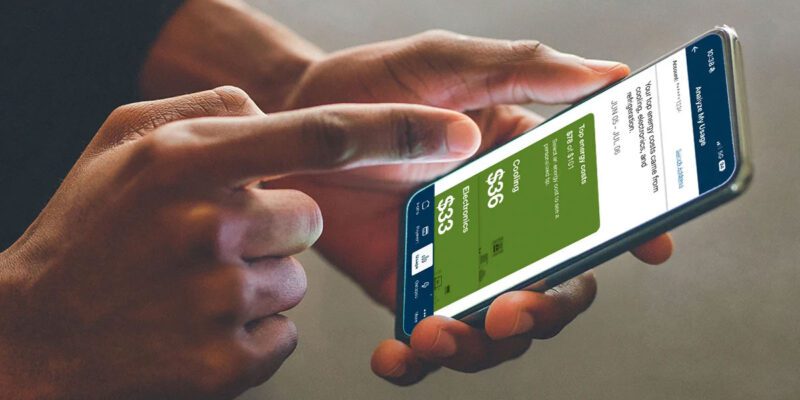
If you have a smart meter (most homes in the UK installed from 2016 onwards; increasingly common in US states with smart grid programmes), your energy supplier has an app that shows your actual usage data in near real time. This is genuinely useful information.
In the UK, Bright, Glowmarkt, and Loop are third-party apps that connect to your smart meter and present your usage data in much clearer formats than most supplier apps. They show you usage by day, hour, and appliance type (inferred), estimated annual costs, comparisons to similar households, and alerts when usage is unusually high.
Seeing that you used twice as much electricity on Tuesday than Monday, and realising that’s when you ran the tumble dryer and dishwasher simultaneously, creates actionable awareness that an annual bill never does.
Understanding Your Bill
Bills are deliberately complex, but they have a basic structure: standing charge (daily fixed cost regardless of use) and unit rates (cost per kWh of electricity or gas). Multiply your average daily kWh usage by the unit rate and add the standing charge to estimate your daily cost.
Comparison sites (uSwitch in the UK, EnergySage or your state’s utility comparison tool in the US) let you compare your current tariff against alternatives. With energy prices fluctuating, what was the best deal 18 months ago may not be now.
High-Usage Appliance Awareness
Smart plugs with energy monitoring (TP-Link Kasa, Meross, or similar) connect to Wi-Fi and report the energy consumption of whatever is plugged into them through their phone apps. Plug your tumble dryer, electric heater, or any appliance you suspect is expensive, and see exactly what it costs to run per hour.
The revelations from this are often surprising: tumble dryers and electric showers are typically the biggest consumers. Televisions are much cheaper than expected. Older appliances cost significantly more than newer efficient ones. This data informs meaningful decisions about behaviour and appliance replacement.
Time-of-Use Tariffs
Some electricity suppliers offer time-of-use tariffs where electricity is cheaper at certain times (typically overnight, 10pm-8am). If you can shift energy-intensive activities (dishwasher, washing machine, EV charging) to these off-peak periods, the savings are meaningful.
Your supplier’s app typically shows you whether you’re on a time-of-use tariff and when the cheaper periods are.
Solar and Battery Monitoring
If you have solar panels, the inverter’s app (SolarEdge, SolarApp+, Enphase Enlighten) shows real-time generation and consumption. Understanding when your panels generate most, whether your consumption aligns with that generation, and whether adding battery storage would help you capture more of your own generation is all visible through these apps.
Practical Steps to Reduce Bills
The apps tell you where you’re using energy. The meaningful reductions come from:
Heating: the biggest energy consumer in most homes. Reducing thermostat by 1°C typically saves 7-10% on heating bills. Using a smart thermostat (Nest, Tado, Hive — all with phone apps) to heat only when you’re home can save 15-30%.
Hot water: turning off the tumble dryer and using a drying rack in warmer months. Washing clothes at 30°C rather than 40°C saves significant electricity per wash.
Standby: less impactful than often claimed but still meaningful across multiple devices. Smart plugs can cut power to devices completely rather than leaving them in standby.
Views: 17

You may also like

How to Use Your Phone to Document and Share Your Creative Work

How to Use Your Phone to Prepare for a Job Interview

How to Use Your Phone to Manage Your Pet’s Health Records and Vet Visits
More in:Gadgets
How to Use Your Phone to Learn Basic First Aid You Might Actually Need
How to Use Your Phone to Create a Morning Routine That Actually Works

How to Handle Phone Anxiety and the Constant Pressure to Be Available

TecRounder is a blog that shares New Technology news from around the world (hence the name TecRounder), including the most recent mobile and gadget information: smartphone features, specifications, and more. You can find the latest technology updates here, including the most recent information on smartphones, laptop computers, and other electronic devices.