Android vs iPhone in 2026: Which Should You Actually Buy?
 By
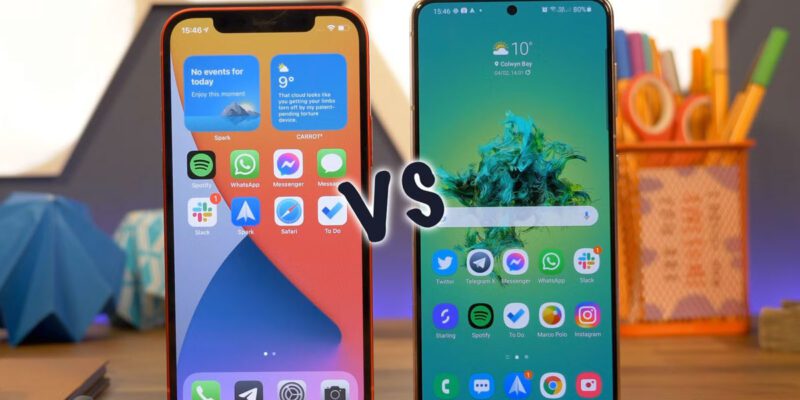
By The Android vs iPhone debate has fewer clear right answers than it used to — both platforms are genuinely excellent and either would serve most people well. But there are real differences that matter depending on how you use your phone, what ecosystem you’re in, and what you care about. Here’s an honest breakdown.
The Ecosystem Question Matters Most
If most of your family and friends use iMessage, FaceTime, AirDrop, and AirPods, switching to Android creates daily friction — not insurmountable, but real. If your contacts use WhatsApp and you’re in the Google ecosystem (Gmail, Drive, Chrome, Calendar), Android integrates more seamlessly into your existing workflow. This ecosystem fit is often the most practical differentiator for most buyers.
Software Updates and Longevity
Apple supports iPhones with major iOS updates for six to seven years. Most Android manufacturers offer three to four years of major OS updates, though Google Pixel and Samsung Galaxy S series now commit to seven years. For keeping a phone longer, iPhone historically wins on update longevity, but the gap is narrowing for premium Android devices.
Customization vs Consistency
Android offers far more customization: default apps, launchers, home screen layouts, file system access, sideloading apps, and deeper system control. iPhone offers a more controlled, consistent experience that changes less between versions and is harder to misconfigure. If you like tinkering and personalizing your setup, Android. If you prefer things to just work consistently without thinking about it, iPhone.
Price Range and Value
Android offers strong options at every price point from $150 to $1500. The best value smartphones in 2026 — in the $300-600 range — are predominantly Android (Google Pixel A series, Samsung Galaxy A series). Apple’s cheapest new iPhone sits around $499. If budget matters, Android provides more choice at lower price points. At the premium end, both platforms are comparable in value.
Camera Performance
Both iPhone and the best Android phones (Samsung Galaxy S series, Google Pixel) produce outstanding camera results. iPhone cameras are known for natural color rendering and excellent video. Samsung cameras offer more computational flexibility and versatile zoom. Google Pixel cameras produce exceptional results especially in low light and with computational photography features. Camera is no longer a clear differentiator — choice comes down to the specific style of photography output you prefer.
Privacy and Security
Both platforms have strong security. Apple’s closed ecosystem and tight app review process provides some advantages in blocking malware. Android’s open platform requires more user awareness but gives you more control over privacy settings. Google processes more data for advertising purposes on Android compared to Apple’s privacy positioning on iOS. For most users, both are secure with default settings; for high-risk users, iPhone’s additional lockdown capabilities are notable.
The Practical Answer
Buy iPhone if: you’re heavily invested in Apple’s ecosystem, most contacts are on iMessage, you value simplicity and long-term support, or you want the best video camera available. Buy Android if: you want more choice in price and features, you prefer Google services deeply integrated, you value customization, or you want the best value at non-premium price points. There’s genuinely no wrong answer for most people in 2026.
Views: 70

You may also like

How to Stop Your Kids From Spending Money on Your Phone by Accident

How to Use Your Phone to Manage Your Time When You Work From Home
How to Use Your Phone Camera to Spot Things You’d Otherwise Miss
More in:Gadgets
How to Use Your Phone to Build Better Habits That Actually Stick

How to Use Your Phone to Help You Through a Difficult Life Transition

How to Use Your Phone to Manage Your Mental Load and Stop Forgetting Things

TecRounder is a blog that shares New Technology news from around the world (hence the name TecRounder), including the most recent mobile and gadget information: smartphone features, specifications, and more. You can find the latest technology updates here, including the most recent information on smartphones, laptop computers, and other electronic devices.