How to Get Better Sleep by Changing What You Do With Your Phone at Night
 By
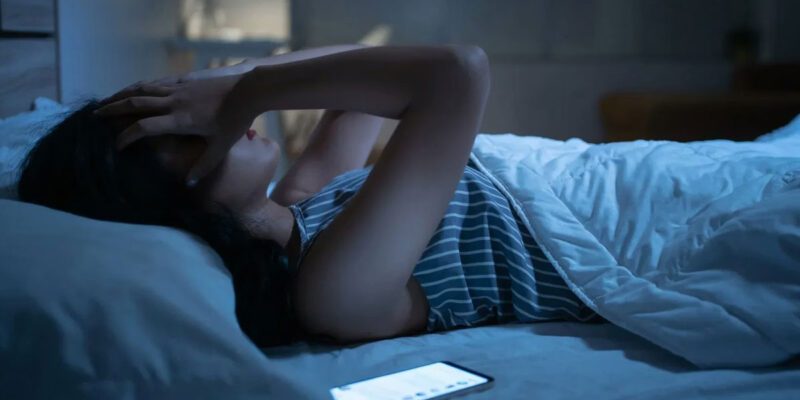
By The relationship between phone use and poor sleep is one of the best-documented findings in modern sleep research. The mechanism isn’t complicated: the blue light emitted by phone screens suppresses melatonin production, making it harder to fall asleep. The stimulating content — social media arguments, news, engaging videos — activates your brain at exactly the time it needs to be winding down. And the notification sounds that interrupt sleep light stages reduce overall sleep quality even if they don’t fully wake you.
Most people know this. Knowing it and changing the behaviour are very different things. Here’s what actually works.
The Charging Station Approach
The most reliable single intervention: move your phone charger out of your bedroom. Charge in the kitchen, hallway, or any room where the phone isn’t next to your bed.
This works because it changes the environment rather than relying on willpower. When the phone is in another room, you can’t pick it up when you wake at 3am. You can’t scroll before sleep. You can’t check it when you should be winding down. The behavior requires overcoming physical inconvenience rather than overcoming an impulse.
If the counterargument is “I use my phone as an alarm,” buy a cheap alarm clock. The clock costs $10 and you’ll probably sleep noticeably better. That’s an excellent trade.
Screen Time Before Bed: How Long Before Matters
Research on screen-free time before bed suggests that stopping use 60–90 minutes before sleep has measurable impact on sleep quality. This feels unrealistic for most people, so here’s the pragmatic version: even 30 minutes of no phone before bed is better than scrolling until the moment you close your eyes.
Start with 15 minutes. Put the phone on the other side of the room at 10:45pm when you plan to sleep at 11pm. After a week, extend it to 30 minutes. This graduated approach is more sustainable than a sudden complete policy change.
Blue Light Filters: They Help, but Not as Much as Screen-Free Time
Both iPhone (Night Shift) and Android (Night Mode or Blue Light Filter) have settings that shift the screen colour towards warmer tones, reducing blue light emission. These help but don’t eliminate the problem.
Enable them: on iPhone, Settings > Display & Brightness > Night Shift, schedule from 9pm to 7am. On Android, Settings > Display > Night Mode, schedule similarly.
But don’t assume that using a blue light filter means phone use before bed is fine. The stimulating content problem — the engaged, alert state that engaging media creates — is not solved by making the screen warmer.
Notifications During Sleep: The Underappreciated Problem
Even if you don’t check your phone when you hear a notification at 2am, the sound often brings you partially out of the sleep cycle you were in. You may not consciously wake up, but your sleep stage gets disrupted.
Set Do Not Disturb to cover your sleep hours. On iPhone, Sleep Focus does this automatically. On Android, Bedtime Mode in Digital Wellbeing can be scheduled. Allow only calls from specific contacts (set as exceptions in DND settings) if you need to remain reachable for genuine emergencies.
The quiet environment that results from scheduled DND improves sleep quality measurably for most people.
What to Do Instead
The reason the phone is hard to put down at bedtime is that it fills a need: stimulation, unwinding, connection, avoidance of thoughts. Removing it is easier when there’s something satisfying to replace it with.
Physical books: genuinely better for sleep than any screen, even with a blue light filter. Reading fiction before sleep is one of the oldest and most effective wind-down practices.
Journaling: writing down what you’re thinking about — to-do items for tomorrow, things on your mind — reduces the rumination that causes lying-awake problems.
Audio content: podcasts, audiobooks, or sleep-specific audio (sleep stories, ambient sound) via a small speaker rather than through your phone. You get the stimulation benefit without the screen.
The goal isn’t to become someone who hates their phone. It’s to have your phone serve you rather than disrupt your sleep.
Views: 18

You may also like
How to Use Your Phone to Help You Through a Difficult Life Transition
How to Use Your Phone to Manage Your Mental Load and Stop Forgetting Things

How to Use Your Phone to Reduce Your Environmental Impact
More in:Gadgets
How to Use Your Phone to Make Better Decisions
How to Use Your Phone to Manage Your Children’s Screen Time Without Constant Conflict

How to Use Your Phone to Support Someone Going Through a Hard Time

TecRounder is a blog that shares New Technology news from around the world (hence the name TecRounder), including the most recent mobile and gadget information: smartphone features, specifications, and more. You can find the latest technology updates here, including the most recent information on smartphones, laptop computers, and other electronic devices.