 By
By If you ask someone how they’re learning a language and they say “I’m doing Duolingo every day,” you can make a reasonable prediction: they’ll be doing Duolingo every day for years and still not be able to have a real conversation. This isn’t a criticism of the app — it’s a recognition that an app is not a complete language learning system.
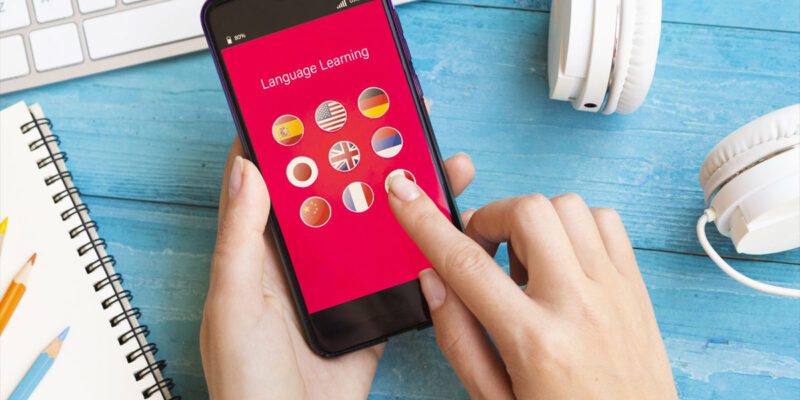
Your phone can support a genuinely effective language learning system. Here’s what that looks like.
The Four Things You Actually Need
Language acquisition research is fairly clear about what drives progress: comprehensible input (hearing and reading things you mostly understand), vocabulary in context, spaced repetition for retention, and actual speaking. Apps address some of these better than others.
Comprehensible input is the most underweighted element in most app-based learning. You learn a language by being exposed to it in context, not primarily through isolated word memorisation exercises.
Building Your Input System
Find a podcast in your target language pitched at the right level. Language Transfer (for multiple languages) and Coffee Break Languages both create podcasts specifically designed as language courses. The Comprehensible Japanese and Dreaming Spanish channels (YouTube) demonstrate comprehensible input for Japanese and Spanish respectively and have created content at every level.
Once you have intermediate vocabulary, switch to content designed for native speakers on topics you’re genuinely interested in. If you love football, football podcasts in Spanish. If you love cooking, cooking videos in French. The interest keeps you engaged when it’s difficult.
Anki for Vocabulary
Download Anki and find or create a vocabulary deck for your language. The Anki app is free on Android and a small purchase on iPhone. Go through 10-15 new vocabulary cards per day consistently. The algorithm ensures you review each card at the optimal interval for retention.
This is significantly more effective than the vocabulary games in most apps because it uses evidence-based spacing rather than gamification to drive retention.
Change Your Phone Language
Switch your phone’s system language to your target language. This is uncomfortable at first — you’ll spend extra seconds understanding menus you normally navigate automatically. But you’re surrounded by your target language every time you use your phone, which adds up to significant low-effort exposure every day.
Change the language on social media apps. Follow accounts that post in your target language on topics you care about. Your daily social media scroll becomes passive exposure.
Speaking Practice: The Gap Most Phone Learners Have
Apps barely address speaking. But speaking can be practised on your phone. HelloTalk and Tandem connect you with native speakers for language exchange. iTalki lets you book lessons with professional teachers or community tutors, starting at a few dollars per session.
Record yourself speaking about everyday topics for 2-3 minutes and play it back. Hearing your own pronunciation errors is uncomfortable but extremely effective. Apps like Elsa Speak (pronunciation-specific AI) give real-time feedback on pronunciation that no human tutor can provide as efficiently.
Duolingo’s Actual Role
Duolingo is genuinely useful for one thing: maintaining the habit of daily engagement with a language. The streak system and the short session length make it easy to keep doing every day even when motivation is low. Use it for exactly that — a daily habit anchor — not as your primary learning tool.
Pair it with: 20-30 minutes of comprehensible input content per day, 10-15 Anki cards, and language exchange or tutor sessions as often as practically possible.
The Timeline to Realistic Expectations
At the above intensity, expect to have basic conversations after 3-6 months for a language similar to your own, 6-12 months for a more distant language. Duolingo alone: you’ll be learning for years with limited conversational ability. The difference is the comprehensible input and speaking practice.
Views: 23

You may also like

How to Use Your Phone to Manage Your Mental Load and Stop Forgetting Things

How to Use Your Phone to Reduce Your Environmental Impact
How to Use Your Phone to Make Better Decisions
More in:Apps

How to Use Your Phone to Manage Your Children’s Screen Time Without Constant Conflict

How to Use Your Phone to Find a Therapist or Mental Health Support
How to Keep Kids Safe Online When They’re Using Your Phone

TecRounder is a blog that shares New Technology news from around the world (hence the name TecRounder), including the most recent mobile and gadget information: smartphone features, specifications, and more. You can find the latest technology updates here, including the most recent information on smartphones, laptop computers, and other electronic devices.