 By
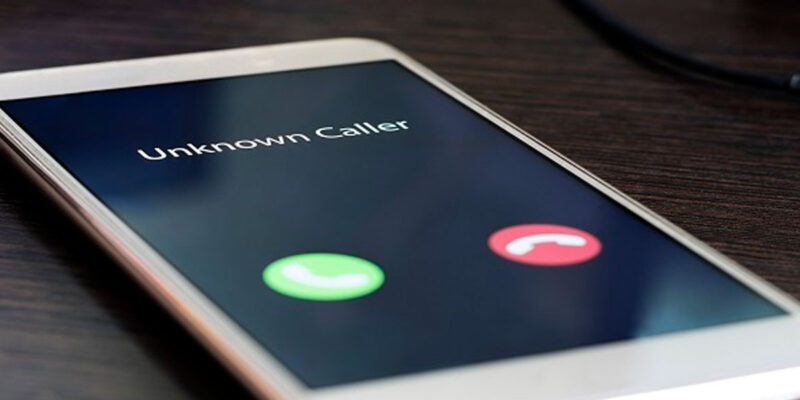
By You start getting calls from strangers asking why you called them. Or someone tells you they got a call from your number offering a suspicious deal. Your phone number has been spoofed — used by scammers as a fake caller ID. Here’s what’s happening, what you can do, and how to limit your exposure.
How Spoofing Actually Works
Phone number spoofing doesn’t require access to your phone or SIM. Scammers use VoIP services that allow them to set any outgoing caller ID number. They choose real-looking local numbers because people are more likely to answer them. Your number may be used thousands of times without you having any way to stop the spoofing itself — the calls aren’t coming from your device.
What You Can Do About Spoofing
You cannot technically prevent spoofing of your number — it happens entirely at the scammer’s end. But you can mitigate the fallout. If you’re getting callbacks from confused or angry people, record a voicemail message explaining that your number has been spoofed and you are not responsible for calls they received. This reduces distress for the people being targeted.
Report It to Your Carrier
Contact your mobile carrier and report that your number is being spoofed. They can flag the number and in some cases add protections. In the US, file a complaint with the FCC at fcc.gov/consumers/guides/spoofing-and-caller-id. In the UK, report to Ofcom. These reports build the databases that carriers use for call blocking systems.
Protect Yourself From Incoming Spoofed Calls
Enable your carrier’s call-filtering service. T-Mobile has Scam Shield, AT&T has ActiveArmor, Verizon has Call Filter, and EE and Vodafone in the UK have similar services. Many are free. These use real-time databases of spoofed and scam numbers to warn you or automatically block suspicious incoming calls.
Register With the Do Not Call Registry
In the US, register at donotcall.gov. In the UK, register with the Telephone Preference Service at tps.co.uk. These registries don’t stop scammers (who ignore them) but they do stop legitimate telemarketers — reducing call volume overall and making the illegitimate calls easier to identify.
Consider a New Number if Spoofing Persists
Spoofing campaigns typically use a number for a few days then rotate to a new one. In most cases the problem resolves on its own within a week or two. If it persists for longer and is causing significant disruption, asking your carrier for a new number is sometimes the most practical solution, though it requires updating your number with all your contacts and services.
Never Share Personal Information Based on Caller ID
The broader implication of spoofing is that caller ID cannot be trusted. If you receive a call claiming to be from your bank, the police, or a government agency, and they’re requesting personal information or payment, hang up and call the organization directly using a number from their official website. Legitimate organizations never require immediate action that prevents you from verifying who you’re speaking to.
Views: 48

You may also like
How to Use Your Phone Camera to Spot Things You’d Otherwise Miss
How to Use Your Phone to Build Better Habits That Actually Stick

How to Use Your Phone to Help You Through a Difficult Life Transition
More in:Gadgets

How to Use Your Phone to Manage Your Mental Load and Stop Forgetting Things

How to Use Your Phone to Reduce Your Environmental Impact

How to Use Your Phone to Make Better Decisions

TecRounder is a blog that shares New Technology news from around the world (hence the name TecRounder), including the most recent mobile and gadget information: smartphone features, specifications, and more. You can find the latest technology updates here, including the most recent information on smartphones, laptop computers, and other electronic devices.