How to Get More Done on Your Phone During Commutes

 By
By The average commuter spends 30-60 minutes each way in transit every working day. Across a year, that’s potentially 200-400 hours — time that could be meaningful or wasted, depending entirely on what you do with it. Most people scroll social media, watch short videos, or stare out the window. Nothing wrong with any of that if it’s what you choose. But if you’ve ever felt like you have no time for the things you want to do, the commute is worth a harder look.
First: Define What You Actually Want to Do With It
The trap is reading an article like this and downloading five productivity apps without a clear idea of what you’re trying to accomplish. “Be more productive during my commute” is not a goal. “Finish the online course I started in January” is.
Identify one or two specific things you want to accomplish using commute time. Be specific enough that you could measure it: “Complete one podcast episode per day,” “Review language flashcards for 15 minutes each way,” “Read one chapter of my current book per commute.”
Specificity is what converts intention into habit.
Audio Learning: The Commute’s Best Use
Podcasts and audiobooks don’t require your eyes or hands — they work in crowded carriages, while walking, while driving. For most commuters, audio learning is the highest-leverage use of commute time.
Audible, Libro.fm, and Libby (free library audiobooks) for books. Pocket Casts, Overcast, or Spotify for podcasts. Setting playback speed to 1.25x or 1.5x makes this significantly more efficient once you’ve adjusted — you process the same content in substantially less time.
Language learning audio courses (Michel Thomas, Pimsleur, Language Transfer) use commute time specifically well because they’re designed for listening-only learning.
Reading Without Eye Strain
On public transport with space to sit, reading works well. On crowded standing carriages or in cars (as a passenger), it can cause motion sickness in some people. Know whether reading works for you in motion.
Pocket, Instapaper, or Kindle provide a library of content ready for offline reading. Download content before you go underground or lose signal. The distraction-free reading interface beats browser tabs for focused reading.
Structured Learning
If you have a specific skill or subject you want to develop, commute time can be dedicated to it systematically. One online course module per commute equals roughly two per day for a commuter, which means completing most courses within weeks.
Duolingo, Babbel, or Anki for language learning — these are designed for short sessions and work well in transit.
LinkedIn Learning courses for professional development — download for offline viewing before the commute.
Email and Messages: The Efficient Version
For people who get to their desk with full inboxes, using the morning commute for email triage — deleting, archiving, flagging, quick replies — means arriving at work with a clear inbox and the mental clarity that brings.
The key is doing triage rather than deep email work. Quick decisions about each message, deferring anything requiring thought to your desk time.
The Protected Non-Productive Commute
Not every commute needs to be productive. If the commute is your only period of genuine mental decompression — between the demands of work and the demands of family — protecting it as quiet, low-stimulation time may be worth more than any productivity habit.
Music with no goal. Looking out the window. Sitting without consuming. The cognitive rest that comes from truly low-stimulation time is undervalued and increasingly rare. If your commute is the only place you experience it, that’s worth knowing.
The Hybrid Approach
Morning commute (going to work): structured learning or email triage when energy is higher and the mind is engaged.
Evening commute (returning home): audio only — podcast or music — as a decompression transition rather than active productivity.
This matches energy levels to activity type and creates a natural transition from work mode to home mode.
Views: 27

You may also like

How to Use Your Phone to Stay Financially Organised During a Life Event

How to Use Your Phone to Stay Motivated When You Feel Like Giving Up

How to Use Your Phone to Get More From Your Doctor’s Appointments
More in:Gadgets
How to Use Your Phone to Create and Stick to a Weekly Meal Plan
How to Use Your Phone to Research and Buy a Used Car Safely
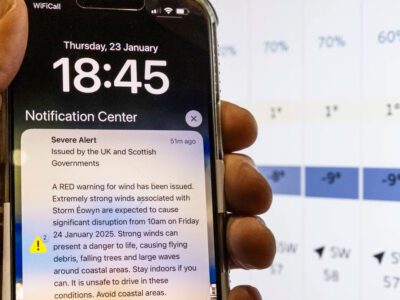
How to Use Your Phone to Stay Safe and Informed During Bad Weather

TecRounder is a blog that shares New Technology news from around the world (hence the name TecRounder), including the most recent mobile and gadget information: smartphone features, specifications, and more. You can find the latest technology updates here, including the most recent information on smartphones, laptop computers, and other electronic devices.