 By
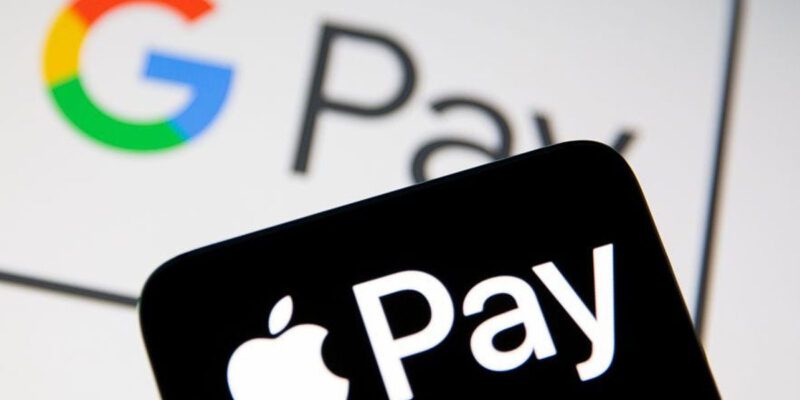
By Paying with your phone feels futuristic to some people and raises security concerns for others. The reality is that Apple Pay and Google Pay are actually more secure than physical card payments — the technology is designed with protections that traditional cards don’t have. Understanding how they work makes you both a more confident user and a more secure one.
How the Technology Works (Why It’s More Secure Than Cards)
When you pay with Apple Pay or Google Pay, the system doesn’t transmit your actual card number to the payment terminal. Instead, it creates a unique one-time transaction code using a device-specific token stored in a secure chip on your phone.
This means two things practically. First, even if someone intercepts the payment data from the terminal, they get a single-use token that’s already been processed — useless for future transactions. Second, the merchant never receives your card number, so data breaches at the retailer don’t expose your card.
Physical contactless cards transmit your actual card number each time. Phone payments are more secure by design.
Setting It Up Properly
Apple Pay: Settings > Wallet & Apple Pay > Add Card. Your bank will verify your identity, usually through their app or by sending a code. Once verified, the card is added to your phone’s Secure Element chip.
Google Pay: open Google Wallet > Add Card. Same process — your bank verifies identity and the card is tokenised.
For each card, you can set a default card that’s used when you hold your phone to a terminal. Choose your main debit or credit card as the default.
Using It in Practice
Contactless payment terminals are the padless card readers with the contactless symbol. To pay: on iPhone, double-click the side button and authenticate with Face ID or Touch ID, then hold near the terminal. On Android, hold the phone near the terminal and it detects the NFC field and prompts for authentication.
Authentication is required for every transaction. This is the key security feature that physical contactless cards lack — a stolen physical card can be used for contactless payments up to certain limits without any PIN. A stolen phone cannot complete Apple or Google Pay transactions without your biometric or passcode.
The Limits
Merchant limits: some small merchants don’t accept contactless payments. This is decreasing but still occurs. Always carry a physical card as a backup.
Transaction limits: in some countries and with some banks, there are limits on individual contactless transaction amounts that require PIN verification. For large purchases, you may be prompted for PIN even with Apple/Google Pay.
Network availability: Apple Pay requires an internet connection for the initial card setup but transactions themselves don’t require internet — they work via NFC directly with the terminal. However, in areas with no signal, some functions may be limited.
If Your Phone Is Lost or Stolen
The authentication requirement means a thief cannot use Apple or Google Pay without your biometrics or passcode. But as an additional step: you can remotely remove cards from Apple Pay at appleid.apple.com > Devices > your device > Remove All. For Google Pay, go to pay.google.com and remove the device.
Contacting your bank to deactivate the card is a separate step — the card removal from Apple/Google Pay prevents phone-based payments, but the physical card and card number still exist.
Beyond Stores: Where Else It Works
Both Apple Pay and Google Pay work in apps (in-app purchases), on websites on mobile (look for the Apple Pay or Google Pay button at checkout), and increasingly in public transport systems (London’s Tube, many US transit systems).
In transit systems with tap-to-pay, your phone works exactly like a contactless card but again with the added authentication security. It’s the most convenient way to pay for public transport in cities that support it.
Views: 24

You may also like

How to Use Your Phone to Stay Financially Organised During a Life Event

How to Use Your Phone to Stay Motivated When You Feel Like Giving Up

How to Use Your Phone to Get More From Your Doctor’s Appointments
More in:Apps

How to Use Your Phone to Find a Therapist or Mental Health Support

How to Keep Kids Safe Online When They’re Using Your Phone

The Best Free Apps That Replace Paid Subscriptions You’re Probably Wasting Money On

TecRounder is a blog that shares New Technology news from around the world (hence the name TecRounder), including the most recent mobile and gadget information: smartphone features, specifications, and more. You can find the latest technology updates here, including the most recent information on smartphones, laptop computers, and other electronic devices.