
How to Use Your Phone to Understand Your Credit Score and Improve It
 By
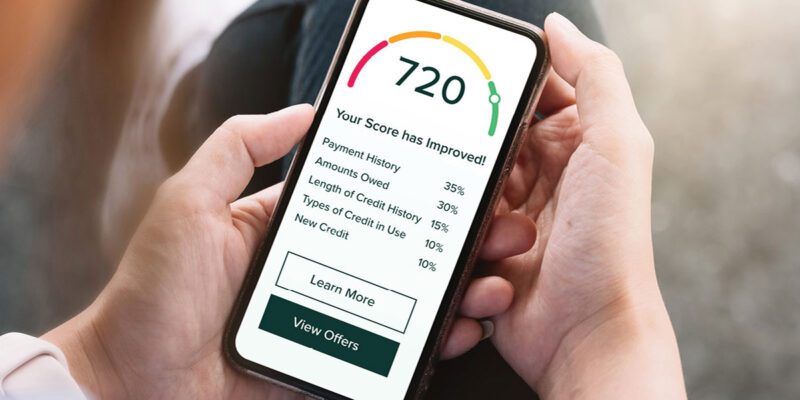
By Your credit score affects the interest rate on mortgages, whether your rental application is approved, car finance availability, and even some job applications. Yet most people have only vague knowledge of what their score is, what affects it, and what they can do about it. Your phone gives you access to your credit information for free, with clear guidance on what to improve.
Checking Your Credit Score for Free
In the UK, the three main credit reference agencies are Experian, Equifax, and TransUnion. Each has slightly different information and scores differently. Free access:
– Experian: Experian app (free basic score and report monthly) – Equifax: ClearScore (free, uses Equifax data, updated monthly, excellent interface) – TransUnion: Credit Karma UK or Noddle (free, TransUnion data)
Checking your own credit score doesn’t affect it — this is a common myth. Check your score on all three agencies using the free services above, as different lenders use different agencies.
In the US: annualcreditreport.com (government-authorised site) provides one free report per agency per year from Experian, Equifax, and TransUnion. Credit Karma (app, free) provides free TransUnion and Equifax reports on an ongoing basis.
What Affects Your Score
Payment history: whether you pay bills on time. The most important factor by significant margin. Even one missed payment can drop your score substantially.
Credit utilisation: how much of your available credit you’re using. The general guidance is to keep utilisation below 30% of your total credit limit. If you have a credit card limit of £2,000 and carry a balance of £1,800, that’s 90% utilisation — damaging to your score.
Electoral roll registration: registering to vote at your current address confirms your residence to lenders. If you’re not on the electoral roll, check your score apps — many will flag this as an issue.
Length of credit history: older accounts with good history help your score. Don’t close old credit card accounts just because you’re not using them (unless they have annual fees) — keeping them open maintains your credit history length.
Credit applications: each application for credit creates a “hard inquiry” that slightly reduces your score temporarily. Multiple applications in a short period suggest financial stress to lenders. Space out any applications.
Improving Your Score: Practical Steps
Register to vote: one of the easiest score improvements available if you’re not registered.
Set up direct debits for minimum payments on all credit cards: even if you pay more, the direct debit ensures you never miss a payment accidentally.
Reduce credit utilisation: pay down balances or request a credit limit increase (this increases your limit without increasing spending, lowering your utilisation ratio).
Address any errors in your report: go through your credit report in detail and identify any errors — accounts that aren’t yours, incorrect balances, payments marked missed that were actually made. Dispute errors through the credit reference agency’s dispute process. Errors on credit reports are more common than you’d expect.
For People Rebuilding Credit
A credit builder card or secured card (where you deposit money as collateral) allows you to rebuild credit by making small purchases and paying them off in full each month. After 12-24 months of this, your score typically improves significantly. Credit Karma and ClearScore apps have specific sections recommending products appropriate for your score level.
Timeline Expectations
Credit score improvement is a months-to-years process, not weeks. Registering to vote and reducing utilisation can produce visible improvement within one to three months. Rebuilding after defaults or CCJs (County Court Judgements) typically takes two to four years of consistent good behaviour.
Track your progress monthly using your free credit score app. Seeing the number move — even slowly — is motivating and confirms the changes you’re making are working.
Views: 16

You may also like

How to Use Your Phone to Learn About Nutrition Without Getting Confused

How to Use Your Phone to Document and Share Your Creative Work

How to Use Your Phone to Prepare for a Job Interview
More in:Gadgets

How to Use Your Phone to Manage Your Pet’s Health Records and Vet Visits

How to Use Your Phone to Learn Basic First Aid You Might Actually Need

How to Use Your Phone to Create a Morning Routine That Actually Works

TecRounder is a blog that shares New Technology news from around the world (hence the name TecRounder), including the most recent mobile and gadget information: smartphone features, specifications, and more. You can find the latest technology updates here, including the most recent information on smartphones, laptop computers, and other electronic devices.