How to Use Your Phone for Better Personal Finance Management
 By
By Managing money well is mostly about information and habits rather than intelligence or income. Your phone can provide the information and support the habits — but only if you go beyond having an app and actually use it in ways that change decisions.
Here’s what actually moves the needle.
Real-Time Spending Visibility
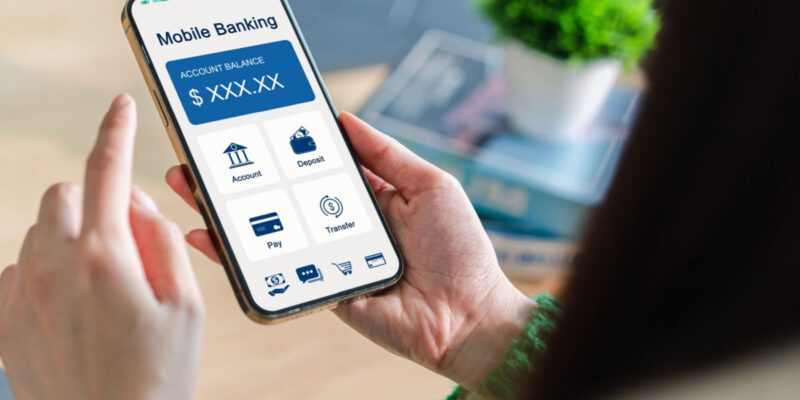
The most impactful thing you can do is know where your money is going in real time, not retrospectively at month end. This requires connecting your bank accounts to an app that categorises spending automatically.
Monzo and Starling (UK digital banks) categorise spending natively in their apps — every transaction is immediately visible and categorised without any manual work. Emma and Snoop integrate with multiple bank accounts and provide the same visibility for people with traditional banks.
Mint (US) and Monarch Money do this for American users, connecting to most US banks.
The key is looking at this weekly, not monthly. Monthly reviews of spending are autopsies. Weekly reviews allow course correction while there’s still time to adjust.
The Purchase Pause
One habit that pays dividends: for any non-routine purchase above a certain threshold (you decide — maybe $50, maybe $100), implement a waiting period. Add it to a wishlist or a note rather than buying immediately. Check back in three days.
Your phone makes this easy: maintain a simple note called “Want to Buy” and add items with the date. The majority of impulse purchases lose their appeal after 72 hours. What remains after that period is more likely to be something you’ll actually value and use.
Automatic Saving
The best saving strategy for most people is one that requires no ongoing willpower: automatic transfers. Set up automatic transfers to savings accounts immediately when you receive your salary, before you have a chance to spend the money.
Both Monzo and Starling have savings pots you can automatically feed. UK users can set standing orders to ISAs immediately on payday. US users can set up automatic transfers to savings accounts in their bank’s app.
Once the money is in the savings account, it’s mentally separate from spending money. What’s left is what you have to spend.
Tracking Net Worth (The Big Picture)
Day-to-day spending management is useful but can miss the forest for the trees. Net worth — assets minus liabilities — is the true measure of financial progress.
Apps like Copilot (US), Emma (UK), or a simple spreadsheet updated monthly can track your bank accounts, investments, and debts in one place and show you the trend. Watching your net worth trend upward over time is motivating in a way that monthly budget reviews rarely are.
Understanding Your Subscriptions (Again)
This comes up repeatedly because it’s consistently where unexpected money is going. Set a monthly calendar reminder to review subscriptions. One subscription per month cancelled equals $60-120 per year depending on price. Do this for three consecutive months and you’ll likely save $30-50 per month.
Investment Apps for Beginners
If you’re not investing and would like to start, apps have removed most of the traditional barriers.
In the UK: Vanguard UK, InvestEngine, and Freetrade all let you start a stocks and shares ISA with small amounts and invest in index funds.
In the US: Fidelity, Schwab, and Vanguard all have excellent mobile apps. For very small amounts, Acorns rounds up purchases and invests the difference automatically.
The most important principle for beginners: low-cost index funds rather than individual stocks or actively managed funds. The evidence strongly favours broad index funds over stock picking for long-term wealth building.
The Emergency Fund Priority
Before any investing, the most financially impactful thing most people can do is build a 3-month emergency fund in an accessible savings account. This prevents using credit cards or loans for unexpected expenses, which is how people end up paying interest on everyday costs.
Set up a savings pot or account specifically for this, name it “Emergency Fund,” and set a target date to reach 3 months of expenses. Track it in your phone. Getting there changes your financial resilience significantly.
Views: 21

You may also like

How to Use Your Phone to Stay Financially Organised During a Life Event

How to Use Your Phone to Stay Motivated When You Feel Like Giving Up

How to Use Your Phone to Get More From Your Doctor’s Appointments
More in:Gadgets

How to Use Your Phone to Create and Stick to a Weekly Meal Plan

How to Use Your Phone to Research and Buy a Used Car Safely
How to Use Your Phone to Stay Safe and Informed During Bad Weather

TecRounder is a blog that shares New Technology news from around the world (hence the name TecRounder), including the most recent mobile and gadget information: smartphone features, specifications, and more. You can find the latest technology updates here, including the most recent information on smartphones, laptop computers, and other electronic devices.