 By
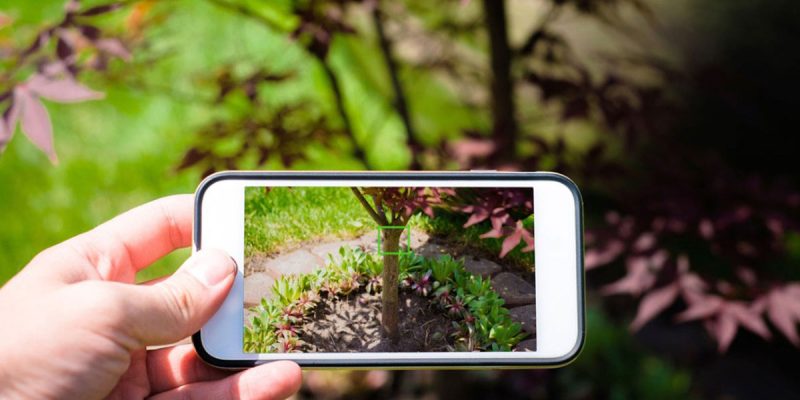
Gardening is a wonderfully analogue pursuit that benefits surprisingly well from digital support. Planning what to grow and when, tracking what worked and what didn’t, identifying pests and diseases, knowing when to water — your phone handles all of this better than any notebook, because a phone you always have with you becomes the garden journal you always have with you.
Plant Identification and Problem Solving
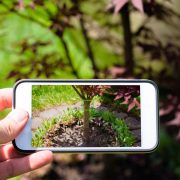
Google Lens is free and capable for plant identification: point your camera at an unknown plant or a leaf showing unusual symptoms and it identifies the species with reasonable accuracy. For more specific garden use, PictureThis (subscription-based but with a free trial) is purpose-built for plant identification with a database of several thousand species.
For pest and disease diagnosis: the same tools work for photographing affected leaves, stems, or insects and getting identification and treatment suggestions. RHS (Royal Horticultural Society) has an excellent online tool accessible via your phone’s browser that’s specifically calibrated for UK garden pests and diseases.
Garden Planning Apps
The RHS Garden Planner app (subscription) is the most comprehensive UK-focused planning tool — it has a database of vegetable, herb, and flower varieties with companion planting information, spacing requirements, and a calendar that tells you when to sow, plant out, and harvest based on your location.
Gardenate (free, with a subscription tier) provides monthly growing guides for vegetables based on your climate zone. Good for knowing what you can sow right now.
For allotment holders in particular: sketch your plot in any grid-based notes app or in GoodNotes/Notability on an iPad, then use a simple note per bed to record what you planted, when, and the results. This longitudinal record — year over year — is the most valuable gardening tool most people never maintain.
Watering Reminders and Weather
Plant watering apps like Planta or Greg track your plants and send reminders when watering is due based on plant type and season. For people with houseplants this is genuinely useful — forgetting to water kills more houseplants than any other cause.
For outdoor growing: integrate your local weather forecast with your garden tasks. Before watering, check whether rain is due in the next day or two. Many irrigation systems now have phone-controllable smart timers that skip a watering cycle if rain is forecast.
Harvesting and Succession Planning
One of the main challenges for vegetable growers is succession planting — sowing small amounts at intervals to avoid a glut followed by a gap. This requires knowing when you last sowed something and when it will be ready to harvest, then calculating when to sow the next batch.
A simple spreadsheet (Google Sheets on your phone) with columns for crop, date sown, date planted out, expected harvest date, and actual harvest date provides the information for planning the next succession. After two or three growing seasons of data, you have reliable information for your specific microclimate.
Recording What Works
Each growing season, make brief notes on what worked, what failed, and why. “Courgettes in bed 4 produced abundantly; slugs destroyed direct-sown carrots, will try modules next year; early potatoes were excellent but ran out of space for maincrop.” These notes in your phone’s notes app, dated and searchable, become the institutional memory for your garden.
Most experienced gardeners have notebooks full of this kind of information. A phone note is more searchable, never lost, and always with you when the insight occurs in the middle of a weeding session.
Community Resources
Local Facebook groups, Nextdoor, and Reddit communities (r/vegetablegardening, r/allotments) are excellent resources for advice specific to your region and climate, variety recommendations, and the collective knowledge of experienced growers. The practical, local knowledge in these communities often exceeds what’s in books.
Views: 0

You may also like

How to Stop Your Kids From Spending Money on Your Phone by Accident

How to Use Your Phone to Manage Your Time When You Work From Home
How to Use Your Phone Camera to Spot Things You’d Otherwise Miss
More in:Gadgets
How to Use Your Phone to Build Better Habits That Actually Stick
How to Use Your Phone to Help You Through a Difficult Life Transition

How to Use Your Phone to Manage Your Mental Load and Stop Forgetting Things

TecRounder is a blog that shares New Technology news from around the world (hence the name TecRounder), including the most recent mobile and gadget information: smartphone features, specifications, and more. You can find the latest technology updates here, including the most recent information on smartphones, laptop computers, and other electronic devices.