
 By
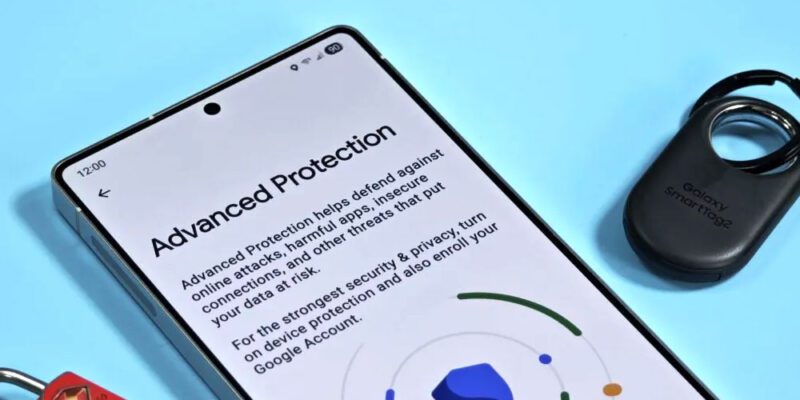
By In Android 17 Beta 2, Google secretly introduced a new security feature related to Advanced Protection Mode. If you have Advanced Protection set on your device running the latest Android 17 beta, you will now see a limitation that stops specific apps from using the AccessibilityService API, limiting their usefulness. We originally identified the alteration last month, but we can now confirm that it is being implemented widely.
Advanced Protection Mode is a one-tap security feature launched with Android 16 for customers who desire more protection against assaults and malicious apps.
Meanwhile, the AccessibilityService API enables persons with disabilities to engage with their devices. Screen readers, switch-based input systems, and other assistive technologies use it to read screen content and conduct actions on the user’s behalf.
However, those same skills can also be abused. Apps that support accessibility can read screen information, analyse user interactions, and even perform motions automatically. The API has been used by various programs over the years to work around Android’s system constraints, including automation tools, customisation utilities, monitoring apps, and several launchers.
As we previously noted, Google has been attempting to close this gap in Advanced Protection Mode.
What changes in Android 17 Beta 2?
With the new behaviour enabled, Advanced Protection Mode stops apps that are not formally classed as accessibility tools from getting access permissions.
If a non-accessibility app already has the permission, the system will automatically revoke it. Users will also be unable to provide the permission while the mode is active.
We tested this by downloading dynamicSpot, an app that simulates Dynamic Island behaviour on Android phones, onto our Pixel 9a running Android 17 Beta 2. With Advanced Protection Mode enabled, we were unable to grant dynamicSpot the accessibility permissions required to display floating pop-ups. The only way to utilize the app currently is to turn off Advanced Protection Mode.
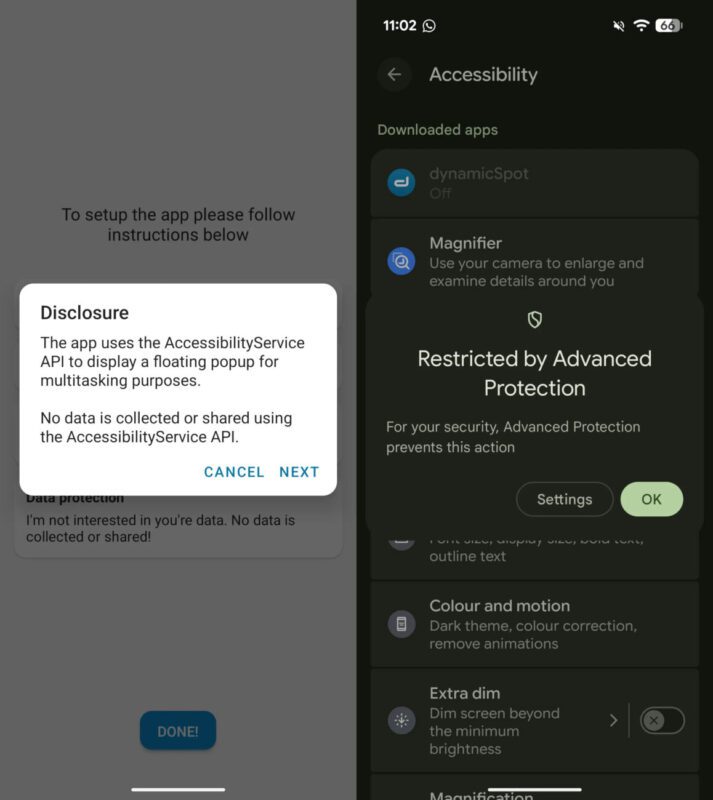
Disclosure & Restriction
Meanwhile, the stable Android 16 QPR3 build running on our Pixel 10 Pro allows us to use dynamicSpot with Advanced Protection Mode enabled.
According to Google’s support page, this change will not affect apps that properly register themselves as accessible tools, such as screen readers or voice-based accessibility services.
While the new behaviour aligns with the overall goals of Advanced Protection Mode, users who enable it may lose compatibility with specific apps. What’s nice is that Google is at least providing consumers a clear choice: utilise Advanced Protection Mode to protect yourself from malicious applications, or risk not using it and continuing to use apps that require accessibility permissions.
With the update now showing in Android 17 Beta 2, there is no doubt that it will be included in the stable release.
Views: 44

You may also like

Apple shifts its AI strategy to the App Store and a search-like platform approach.

Sony increases PS5 costs by up to $150, blaming ‘pressures’ in the global economy.

Apple announces AirPods Max 2
More in:Apps
10 Android trends that will shape smartphones in 2026
What indications suggest about a potential Windows 12

God of War Greek trilogy remake is in progress, and God of War Sons of Sparta is available now.

TecRounder is a blog that shares New Technology news from around the world (hence the name TecRounder), including the most recent mobile and gadget information: smartphone features, specifications, and more. You can find the latest technology updates here, including the most recent information on smartphones, laptop computers, and other electronic devices.