Major Verizon Network Outage Disrupts Calls and Data Across the U.S.
 By
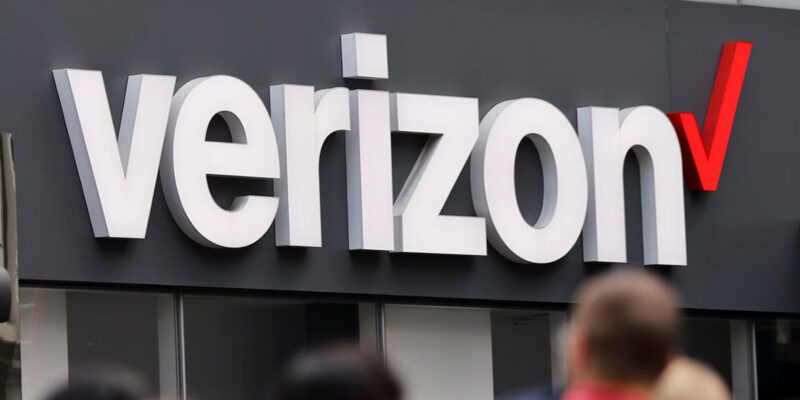
By A widespread Verizon wireless network outage hit millions of customers across the United States on January 14, 2026, knocking out calling, texting, and mobile data services and leaving many users without normal connectivity for hours. The disruption was especially pronounced in major cities like New York City and Washington, D.C., prompting official alerts and frustration from customers.
What Happened?
Around midday Eastern Time on Wednesday, Verizon acknowledged a significant problem affecting its wireless voice and data services. Customers nationwide reported seeing “SOS” or no signal messages on their phones — meaning their devices could no longer connect normally to the carrier’s network.
Outage tracking site Downdetector showed a sharp spike in complaints shortly after noon, with reports peaking at well over 175,000 incidents in a short span. While the volume of reports declined later in the afternoon, many users still experienced intermittent service issues deep into the evening.
Verizon posted regular updates on the social platform X, saying its engineering teams were fully deployed and working to fix the problem as quickly as possible — but didn’t provide a specific cause or timeline for a complete resolution.
Major City Alerts and Emergency Concerns
The outage wasn’t just inconvenient — in some places, it was a public safety issue. In both New York City and Washington, D.C., emergency management agencies issued alerts warning that Verizon customers might not be able to reach 911 using their cell phones during the outage. Officials urged people to use landlines or devices on other carrier networks if they needed emergency services.
For residents and businesses in these cities, the alert was a stark reminder of how reliant everyday life — and critical services — have become on mobile connectivity.
Where Service Was Affected
Although Verizon didn’t release a full map of what was affected, reports and monitoring sites pointed to outages in:
- New York City area
- Washington, D.C. region
- Chicago
- Los Angeles
- Houston
- Atlanta
- Portland, Oregon
- And many other cities across the country
Customers in these areas described periods without the ability to make or receive calls, send texts, or use mobile data — even when Wi-Fi was available only for internet services.
How Long It Lasted and Customer Reaction
The outage stretched on for several hours, with many users reporting service still spotty well into the evening. According to later monitoring and user reports, the service gradually improved over time, but parts of the network remained unstable for some customers.
Across social media and forums, many users expressed frustration about not being able to use basic phone functions, especially when many people rely on mobile service for work, travel, and safety. Some customers even began calling for credits or refunds from Verizon, noting that the outage disrupted their daily routines.
What Verizon Said
Verizon acknowledged the outage publicly and committed to restoring service as quickly as possible. The company posted messages on social media stating its teams were focused on identifying and solving the issue, and it thanked customers for their patience. However, at the time of the outage, Verizon did not disclose a clear cause or a detailed timeline for a full repair.
Industry and Regulatory Attention
The scale of the outage drew attention beyond customer complaints. Federal regulators, including the Federal Communications Commission (FCC), signalled they would be looking into the incident and assessing its impact — especially given the concerns around emergency communications.
What You Can Do During an Outage
If a mobile network goes down again in the future, experts suggest:
- Try Wi-Fi calling if available
- Use messaging apps that work over internet connections
- Keep a landline or alternate device handy for emergencies
- Monitor official carrier accounts for updates
Network outages of this size are rare but serve as reminders of how essential connectivity has become in modern life.
Views: 122

You may also like

Apple shifts its AI strategy to the App Store and a search-like platform approach.

Sony increases PS5 costs by up to $150, blaming ‘pressures’ in the global economy.

Apple announces AirPods Max 2
More in:Technology
10 Android trends that will shape smartphones in 2026
T-Mobile class action contends that the corporation failed to honour the $200 gift card promotion.

Xbox confirms ‘Project Helix’, a next-generation console that will also play PC games.

TecRounder is a blog that shares New Technology news from around the world (hence the name TecRounder), including the most recent mobile and gadget information: smartphone features, specifications, and more. You can find the latest technology updates here, including the most recent information on smartphones, laptop computers, and other electronic devices.