 By
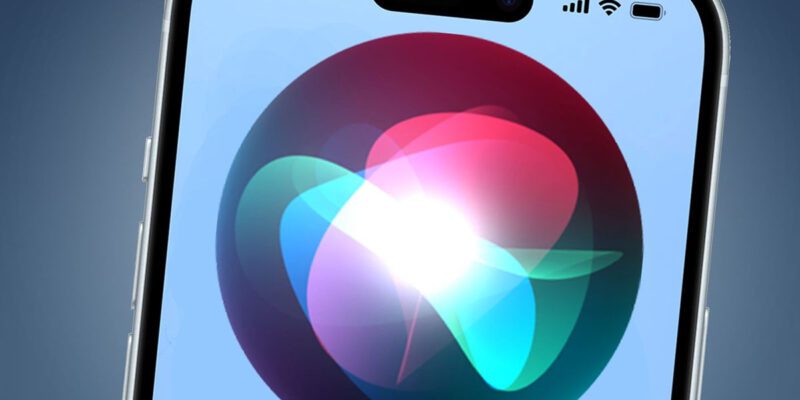
By In a move that’s drawing plenty of attention across the tech world, Apple has confirmed that its next major update to Siri — and broader AI features under the Apple Intelligence umbrella — will be powered by Google’s Gemini artificial intelligence models. This marks a rare deep collaboration between two long-time Silicon Valley rivals and signals a big strategic shift for both companies.
A Big Step in Apple’s AI Strategy
For years, Apple has talked about making Siri smarter — one of the most requested improvements from iPhone users. But progress has been slower and less obvious than fans hoped. Now the company admits that the fastest way to bring a truly capable generative AI experience to millions of iPhones and iPads is by partnering with a competitor’s technology.
In a joint statement, Apple said it chose Google’s Gemini models because they provide “the most capable foundation” for its Apple Foundation Models — the core machine-learning architecture that will power next-generation AI features.
The revamped Siri is expected to arrive as part of iOS 26.4, likely rolling out in March or April 2026. That update should bring deeper, more natural conversations with Siri, better context-aware responses, and richer integration across apps and services.
What This Means for Users
If you’ve ever asked Siri a complex question and gotten a basic answer or a web search link, that could change. With Gemini’s large-language models behind the scenes, Siri is set to become much more capable of following multi-step requests, understanding context, and giving direct answers — much like other AI assistants have been doing for a while.
Behind the scenes, Apple still prioritizes its long-standing commitment to privacy. The company says these new AI features will run on Apple devices and Apple’s Private Cloud Compute infrastructure, meaning Google doesn’t get unfettered access to your personal data as part of this deal.
A Strategic Partnership with Big Implications
It’s rare to see Apple rely so heavily on another major technology company for core functionality. Historically, Apple has built its hardware, software, and services as tightly integrated products. Turning to Google’s AI models reflects just how competitive and fast-moving the generative AI landscape has become.
Industry observers also see this partnership as a strategic win for Google, whose Gemini technology continues expanding its reach. By powering Apple’s AI assistant — already on over two billion active devices worldwide — Gemini gains a massive footprint. At the same time, Apple gets a proven AI platform without having to build everything from scratch.
There’s already reaction from other tech leaders too: Elon Musk publicly criticized the deal, calling it an “unreasonable concentration of power” for Google given the company’s existing dominance with Android and Chrome.
What Comes Next
Looking ahead, this partnership could extend beyond Siri. Apple has said that future Apple Intelligence features — from text generation and image tools to predictive suggestions across iOS — will also lean on this shared foundation. However, exactly how deep that integration goes isn’t fully spelled out yet.
For Apple users, this shift means a smarter, more helpful Siri may finally be on the horizon. And for the industry as a whole, it highlights how crucial large AI models have become — to the point where even longtime rivals will team up to compete in the rapidly evolving AI race.
Views: 124

You may also like

T-Mobile class action contends that the corporation failed to honour the $200 gift card promotion.

Xbox confirms ‘Project Helix’, a next-generation console that will also play PC games.

MacBook Neo vs MacBook Air: Which Apple Laptop Is Better in 2026?
More in:Apps
What indications suggest about a potential Windows 12

God of War Greek trilogy remake is in progress, and God of War Sons of Sparta is available now.

Check your mail: You may have received a payment as part of a $95 million Apple settlement.

TecRounder is a blog that shares New Technology news from around the world (hence the name TecRounder), including the most recent mobile and gadget information: smartphone features, specifications, and more. You can find the latest technology updates here, including the most recent information on smartphones, laptop computers, and other electronic devices.