
 By
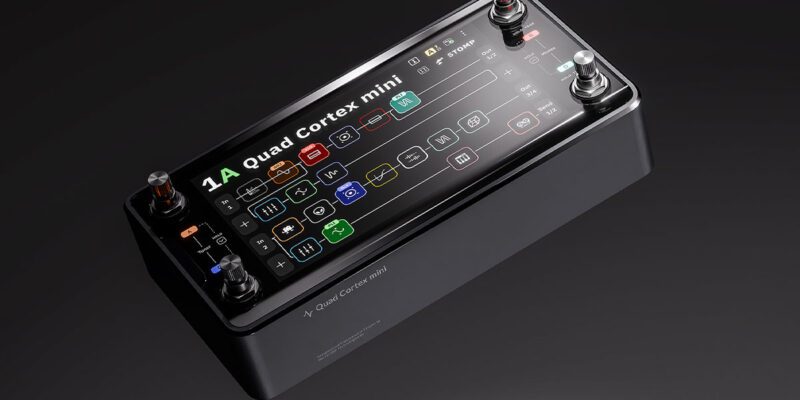
By Neural DSP’s original Quad Cortex shook up the guitar world by cramming studio‑grade amp modelling and “Neural Capture” tech into a powerful floor unit. Now, the company is shrinking that concept down with the Quad Cortex Mini – a more compact, more affordable way to get those same next‑generation tones onto your pedalboard.
I don’t have live access to the specific article you linked, but based on what’s been reported by outlets like Guitar.com and Neural DSP’s own announcements, here’s a human‑written, SEO‑friendly look at what the Quad Cortex Mini is, what it offers, and who it’s really for.
What is the Neural DSP Quad Cortex Mini?
The Neural DSP Quad Cortex Mini is a compact floor amp modeller and multi‑effects unit that brings the core sound engine of the full‑size Quad Cortex into a smaller footprint.
In simple terms, it’s designed to give you:
- The same style of high‑end amp modeling and cab simulation
- Neural Capture technology for profiling your own amps and pedals
- Modern connectivity for live use and recording
- A format that fits easily onto existing pedalboards
Where the original Quad Cortex was clearly a “centerpiece of your rig” type product, the Mini aims to be a flexible, grab‑and‑go solution for players who:
- Don’t need every single feature of the flagship unit
- Want Neural DSP tones without dedicating their entire board to one device
- Need a lighter, simpler rig for fly dates, small stages or home recording
Key Features at a Glance
While exact specs may vary slightly depending on firmware and region, the Quad Cortex Mini is positioned around a few core ideas:
- Compact form factor – significantly smaller than the original Quad Cortex, designed to live on a regular pedalboard
- Same class of sound engine – uses Neural DSP’s amp modelling and Neural Capture tech for realistic amps, cabs and drives
- Flexible signal chains – multiple blocks of amps, cabs and effects, with options for parallel routing and detailed control
- Built for modern rigs – designed to integrate with FRFR speakers, audio interfaces, in‑ears and traditional amps
- Cloud and app integration – access to shared captures, presets and updates via Neural DSP’s ecosystem
- Lower price tier – aimed below the flagship Quad Cortex in cost, making Neural DSP hardware is more accessible
Design and Build: Quad Cortex Power, Pedalboard Footprint
The original Quad Cortex is very much a “full rig in a box”: lots of switches, a big touchscreen, and enough I/O to handle almost any situation. For many guitarists, though, that’s more than they need day to day.
The Quad Cortex Mini takes a different approach:
- It’s smaller and lighter, meant to sit alongside your other pedals rather than replace them all.
- The layout focuses on quick access to key functions – calling up presets, engaging/bypassing blocks, tapping tempo, etc.
- You still get a clear display and intuitive navigation, but in a tighter, pedal‑sized format that won’t dominate your board.
The build quality follows what players have come to expect from Neural DSP: a rugged metal chassis designed to survive real‑world gigging and travel. It targets that sweet spot between studio tool and stage‑ready hardware.
Amp Modelling and Neural Capture on the Mini
The biggest question players usually have is simple:
Does the Quad Cortex Mini actually sound like the full‑size Quad Cortex?
Neural DSP’s positioning of the product strongly suggests yes – the Mini is built around the same core sound technology. That includes:
Amp and Cab Modelling
You can expect:
- A wide selection of modelled amps – from clean American combos to high‑gain modern heads
- Cab simulations powered by impulse responses (IRs) or cab blocks
- The ability to load your own IRs for fine‑tuning your feel and frequency response
The goal is to replicate the detailed, responsive feel the original Quad Cortex is known for – not just the EQ curve of an amp, but how it reacts to your picking dynamics, volume control changes and pedals.
Neural Capture
One of Neural DSP’s biggest draws is Neural Capture – their profiling-style technology that analyses your real amp or pedal and recreates its behaviour.
On the Mini, that means you can:
- Capture your favourite amps at specific settings
- Profile drives, boosts, or certain preamps you rely on
- Take those sounds on the road without hauling the actual gear
If you already own or have access to captures from the full Quad Cortex or from Neural’s cloud, you’ll effectively be able to run those same sounds in a much smaller box.
Connectivity and Workflow
The Quad Cortex Mini is built to slot into a range of setups, from simple home practice to full live rigs and studio work.
While exact jack layouts can vary, it’s designed to handle:
- Direct‑to‑PA / FRFR setups for fully modelled rigs
- Into an amp’s FX return if you want to use it mainly as a preamp/effects unit
- Into an audio interface for silent recording and re‑amping
You can also expect:
- USB connectivity for recording and editing
- Integration with Neural’s cloud/editor ecosystem, making it easier to manage presets, captures and updates
- Standard control options like tap tempo and preset switching from the front panel
The overall workflow aims to be familiar if you’ve used modern multi‑FX or modellers before:
- Build a signal chain block by block (amp, cab, overdrive, delay, reverb, etc.)
- Assign footswitches to key blocks or scenes
- Save presets for different songs, guitars or gigs
Quad Cortex Mini vs Original Quad Cortex
From an SEO standpoint, a lot of guitarists will be searching for “Quad Cortex Mini vs Quad Cortex”, so it’s worth laying out the positioning clearly.
What They Share
Both units are designed to offer:
- Neural DSP’s high-end modelling algorithms
- Neural Capture technology
- Support for complex signal chains and routing
- Integration with the Neural DSP cloud for presets and captures
In other words, they’re part of the same ecosystem and speak the same “language” in terms of tones and workflow.
Key Differences in Practice
The main differences are about form factor, flexibility and budget, not the basic sound quality:
- Size: The Mini is much smaller and pedalboard‑friendly; the original is a full‑scale floorboard designed to be the heart of your rig.
- Controls & interface: The flagship unit offers a larger touchscreen and more physical controls, making deep editing faster on the hardware itself. The Mini leans more on streamlined controls and likely companion software/app for deep diving.
- I/O and routing options: The original Quad Cortex has extensive inputs, outputs and routing possibilities for complex live and studio rigs. The Mini offers a more focused set aimed at the most common real‑world scenarios.
- Price: The Mini sits in a lower price bracket, opening up Neural’s hardware tones to players who couldn’t justify the cost of the full unit.
A simple way to think of it:
- Quad Cortex – best if you want one box to run your entire rig with maximum flexibility.
- Quad Cortex Mini – best if you want flagship tones in a compact, affordable format that plays nicely with the rest of your pedals.
Who is the Quad Cortex Mini For?
The Quad Cortex Mini is clearly aimed at a few specific types of players.
Gigging Guitarists Who Want a Smaller Rig
If you’re tired of hauling heavy heads, cabs and complex pedalboards, the Mini makes a lot of sense:
- Fly dates where you can’t rely on decent backline
- Tight stages where space is limited
- Cover/wedding/session work that demands many different tones in one night
You can show up with a guitar, the Mini and in‑ears or FRFR, and still have a convincing amp‑like feel.
Home and Studio Players
For recording guitar at home or in project studios, the Mini is a powerful little hub:
- Plug directly into an interface via USB
- Use real‑time monitoring with modelled amps and cabs
- Avoid miking up loud amps or dealing with room acoustics
It’s also handy if you’re primarily an “in‑the‑box” player who loves Neural DSP plugins but occasionally wants zero‑latency hardware for tracking or live use.
Pedalboard Users Who Don’t Want to Go “All‑In” on Digital
Some players love their favourite drives, fuzzes or modulation pedals and don’t want to abandon them. The Quad Cortex Mini works well as:
- A core amp/cab and reverb/delay section at the end of your board
- A versatile utility piece that can handle amp sim, IRs, and a few staple effects while leaving room for analogue favourites
It’s a bridge between the classic stompbox world and full digital.
Is the Quad Cortex Mini Worth It?
Whether the Neural DSP Quad Cortex Mini is “worth it” will depend on what you need from your rig.
It’s likely to be a strong fit if:
- You’ve wanted a Quad Cortex but couldn’t justify the size or price
- You value travel‑friendly, direct‑to‑PA or in‑ear rigs
- You’re already in the Neural DSP ecosystem and want a hardware solution that doesn’t take over your whole board
On the other hand, if you:
- Rely on very complex routing with multiple simultaneous inputs/outputs
- Prefer doing almost all of your editing directly on a large touchscreen
- Already own the full Quad Cortex and use most of its features
…then the Mini might feel more like a streamlined companion rather than a replacement.
Final Thoughts
The Neural DSP Quad Cortex Mini takes the headline features that made the original Quad Cortex so talked‑about – powerful amp modelling, Neural Capture, modern connectivity – and repackages them in a format that works for more players, more of the time.
For gigging guitarists who want a compact, reliable direct rig, home recordists chasing studio‑quality tones, and pedalboard users looking to modernise without starting from zero, the Mini is a compelling, future‑proof option.
If you’re considering adding one to your setup, the logical next steps are:
- Check Neural DSP’s official site for the latest specs, price and availability
- Compare it directly with alternatives like Line 6 HX Stomp, Headrush, or other compact modellers
- Think honestly about how much routing and control you actually use vs. how much space and budget you have
For many modern guitarists, the answer will be that the Quad Cortex Mini delivers exactly the balance they’ve been waiting for: flagship‑level tones, without the flagship‑level footprint.
Views: 156

You may also like

Apple shifts its AI strategy to the App Store and a search-like platform approach.
Your WP Statistics Reportfor 2026-03-22 to 2026-03-28
WP Mail SMTP Weekly Email Summary
More in:Gadgets

Sony increases PS5 costs by up to $150, blaming ‘pressures’ in the global economy.

Apple announces AirPods Max 2

10 Android trends that will shape smartphones in 2026

TecRounder is a blog that shares New Technology news from around the world (hence the name TecRounder), including the most recent mobile and gadget information: smartphone features, specifications, and more. You can find the latest technology updates here, including the most recent information on smartphones, laptop computers, and other electronic devices.