
Samsung’s Galaxy Z TriFold: The Futuristic Foldable Phone That’s Finally Real
 By
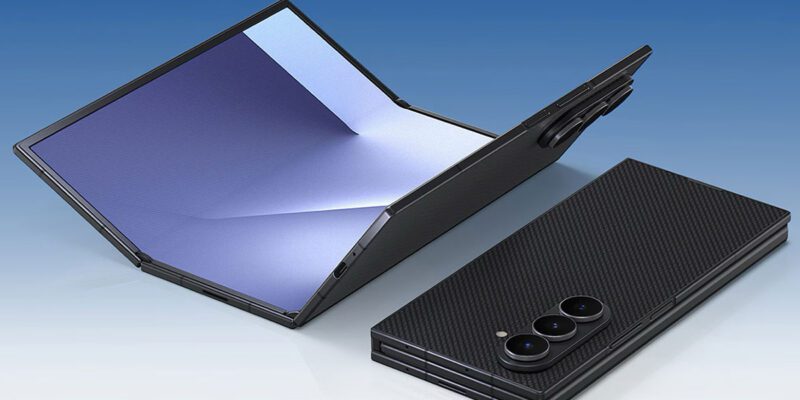
By Samsung has just pulled back the curtain on one of the boldest smartphone designs yet: the Galaxy Z TriFold. Unveiled at CES 2026 in Las Vegas, this new device takes foldable phones a step further by adding two hinges that let it fold into three sections — transforming a large tablet-like screen into something pocketable.
What Makes the TriFold Stand Out
Unlike most foldables that open like a book, the Galaxy Z TriFold unfolds in two places. When fully open, it reveals a spacious 10-inch Dynamic AMOLED display — roughly the size of a small tablet — but when closed, it becomes a relatively compact 6.5-inch phone.
That design gives you a blend of mobility and screen real estate you wouldn’t normally expect in a single device.
A Phone, Tablet, and Mini Laptop in One
Samsung isn’t just about screens that fold. The company has built features into the TriFold that take advantage of that extra space:
- Split-screen and multi-app view: You can run several apps side-by-side without feeling cramped.
- Samsung DeX support: Use the screen like a desktop environment, with resizable windows and a taskbar — no external monitor needed.
- Google Gemini and Galaxy AI: Context-aware assistance makes juggling tasks smoother.
This broad usability pushes the phone beyond entertainment and into true productivity-centric territory. Pair it with a Bluetooth keyboard and mouse, and it behaves much more like a mini-laptop than a phone.
High-End Specs, Big Performance
Under the hood, Samsung loaded the TriFold with flagship-level hardware:
- Qualcomm Snapdragon 8 Elite processor
- 16 GB RAM and generous storage options
- A 5,600 mAh battery, one of the largest in Samsung’s foldables
- A 200 MP main camera with capable ultra-wide and telephoto lenses
- Android 16 with One UI 8 interface
- Durable foldable display with reinforced materials
The overall engineering challenge — two hinges supporting a continuous screen — appears to pay off in a surprisingly thin profile (around 3.9 mm when fully open), though the device is heavier than a typical smartphone.
What Early Impressions Say
Hands-on previews from CES have been largely positive about the wow factor. Reviewers describe the unfolding experience as almost “sci-fi,” with that larger display feeling immersive for watching content or managing documents.
Still, some early impressions note the reality of the device’s size and weight when folded — and the fact that photography quality and everyday use don’t radicalise what many high-end phones already do.
Availability and Expectations
Samsung already launched the TriFold in a few regions, including South Korea, with availability expanding to markets like Singapore, the UAE, Taiwan, and China last December. A broader release — including the United States — is expected in early 2026.
Pricing hasn’t been officially confirmed for all markets yet, but in South Korea, the initial units were priced at the premium end, hinting that this device will be one of Samsung’s most expensive phones yet.
What This Means for the Future
The Galaxy Z TriFold isn’t just another flagship phone — Samsung states that smartphone form factors still have room to evolve. By blending a full-screen tablet experience with a mobile phone’s convenience, it explores a niche between traditional smartphones and on-the-go productivity devices.
Whether this shape becomes mainstream or remains a premium curiosity, it’s an interesting milestone: a device that feels less like a phone and more like a portable workspace with serious flexibility.
Views: 132

You may also like

Apple shifts its AI strategy to the App Store and a search-like platform approach.

Sony increases PS5 costs by up to $150, blaming ‘pressures’ in the global economy.

Apple announces AirPods Max 2
More in:Gadgets

10 Android trends that will shape smartphones in 2026

Android 17 Beta 2 begins clamping down on apps that exploit accessibility features

T-Mobile class action contends that the corporation failed to honour the $200 gift card promotion.

TecRounder is a blog that shares New Technology news from around the world (hence the name TecRounder), including the most recent mobile and gadget information: smartphone features, specifications, and more. You can find the latest technology updates here, including the most recent information on smartphones, laptop computers, and other electronic devices.